Do you know the difference between Autumn and Fall?
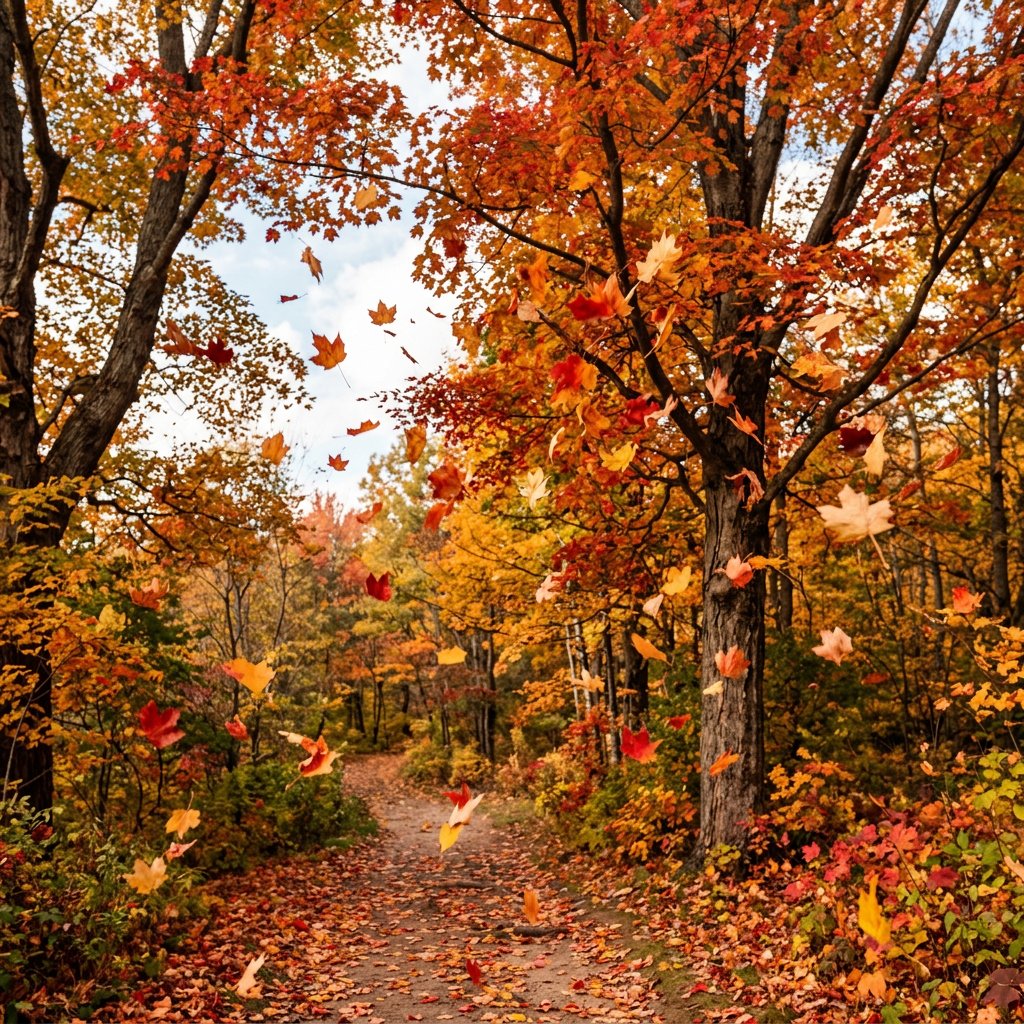
A leaf-covered forest trail winds beneath brilliant autumn trees as colorful leaves drift through the air. Yes, it’s an AI-generated image. So sue me.
Take your time; I’ll wait.
Ready?
If you said that Autumn arrives on or around the 21 of September in the northern hemisphere, you would be correct. In 2026, Autumn arrived on September 22 at 8:05 PM to be exact.
You might go on to explain that the autumnal equinox occurs when the Sun crosses the celestial equator and the day and night hours are essential equal in length. You might even add that equinox comes from the Latin words aequus (equal) and nox (night), because day and night are roughly equal in length.
Boy, you’re one smart cookie.
So, now that you’ve explained Autumn, what is Fall?
That’s a tough one. I get it. Most people say Fall is when the leaves start falling from the trees.
If you agree with those folks, you would be close to the correct answer.
Autumn is also called Fall because the word comes from the 16th-century English phrase, ‘the fall of the leaf,’ which described the time of year when deciduous trees drop their leaves.
By the 1600s, people shortened the name from the ‘fall of the leaf’ to ‘fall.’
So, you see, Fall is Autumn.
And Autumn is Fall.
No difference.
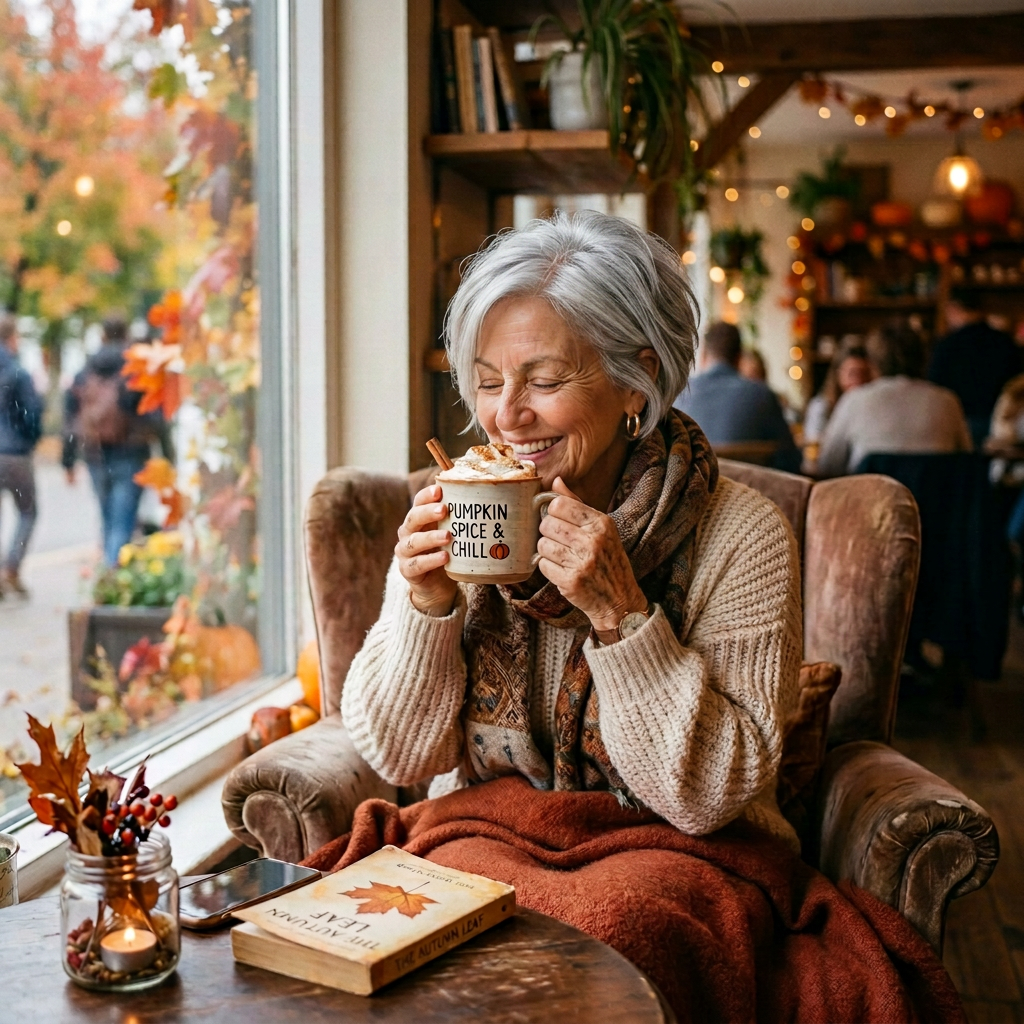
Unless you’re talking about pumpkin coffee because to me, Fall is when Dunkin’ Donuts offers its pumpkin spice coffee.
Still there are those who lament her lack of quantity.
Wherever you stand on the debate, there is one thing that holds true — one can’t capture it, no matter the number of pictures we take, recordings we make, or memories we store in our brains.
Time follows her own rules.
And the time has come to say goodbye to Summer 2026.
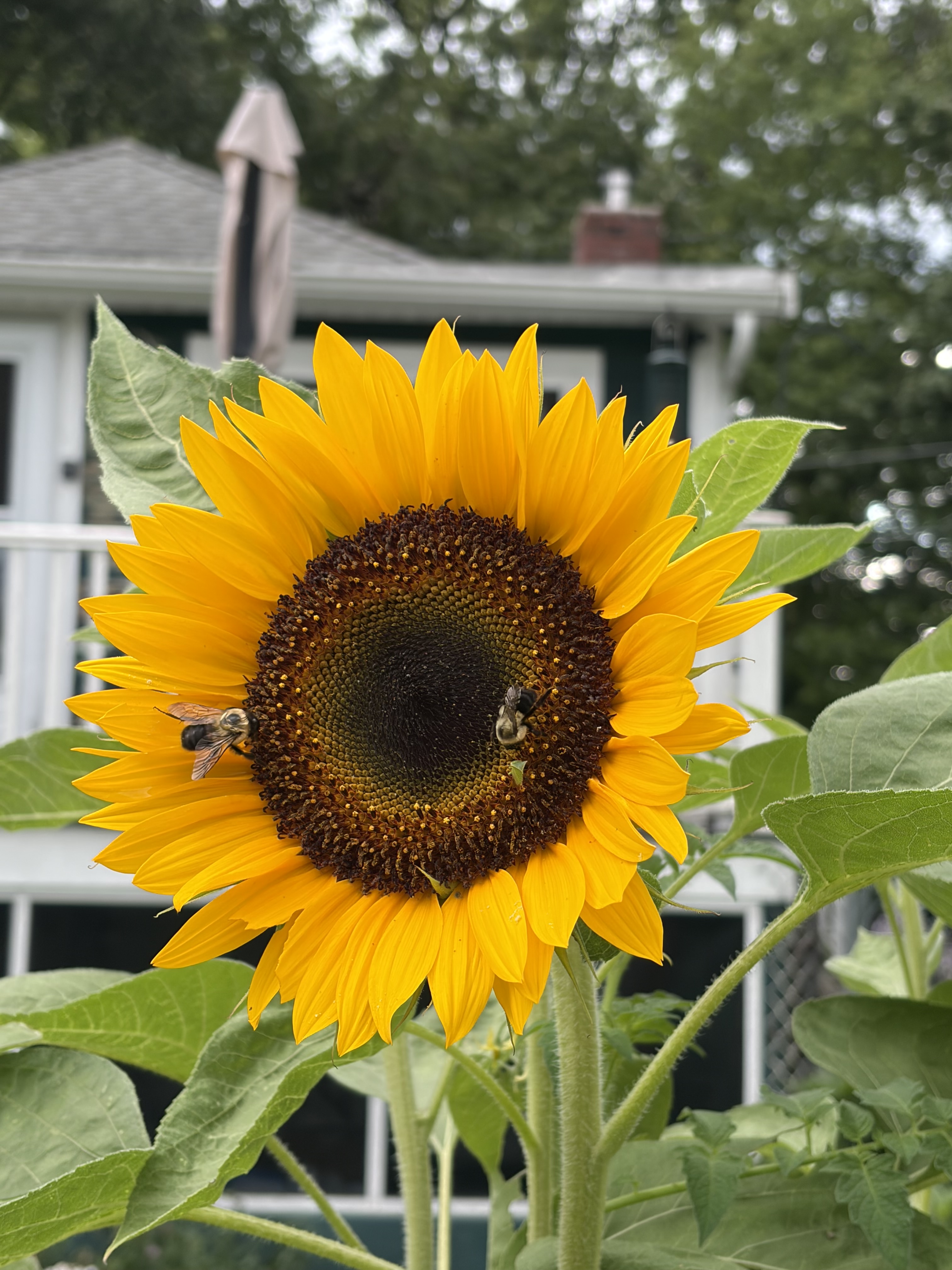
The sunflowers will smile no more…
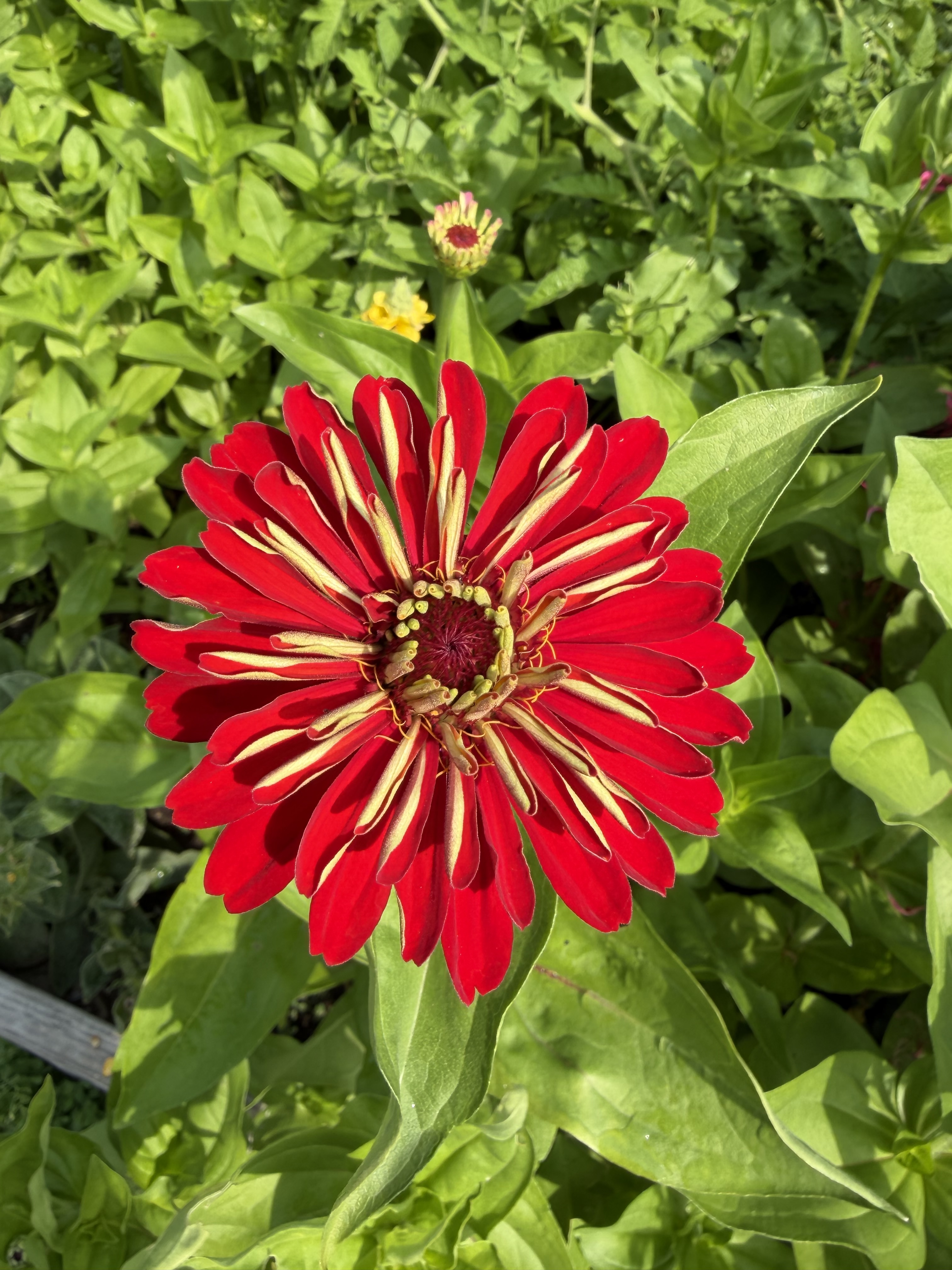
and my zinnias will only be a memory.
The end of summer brings farewells to old friends saying goodbye way too soon.
No more Baltimore Orioles and Rose-Breasted Grosbeaks at the birdbath.
Baltimore Oriole and Rose-Breasted Grosbeak
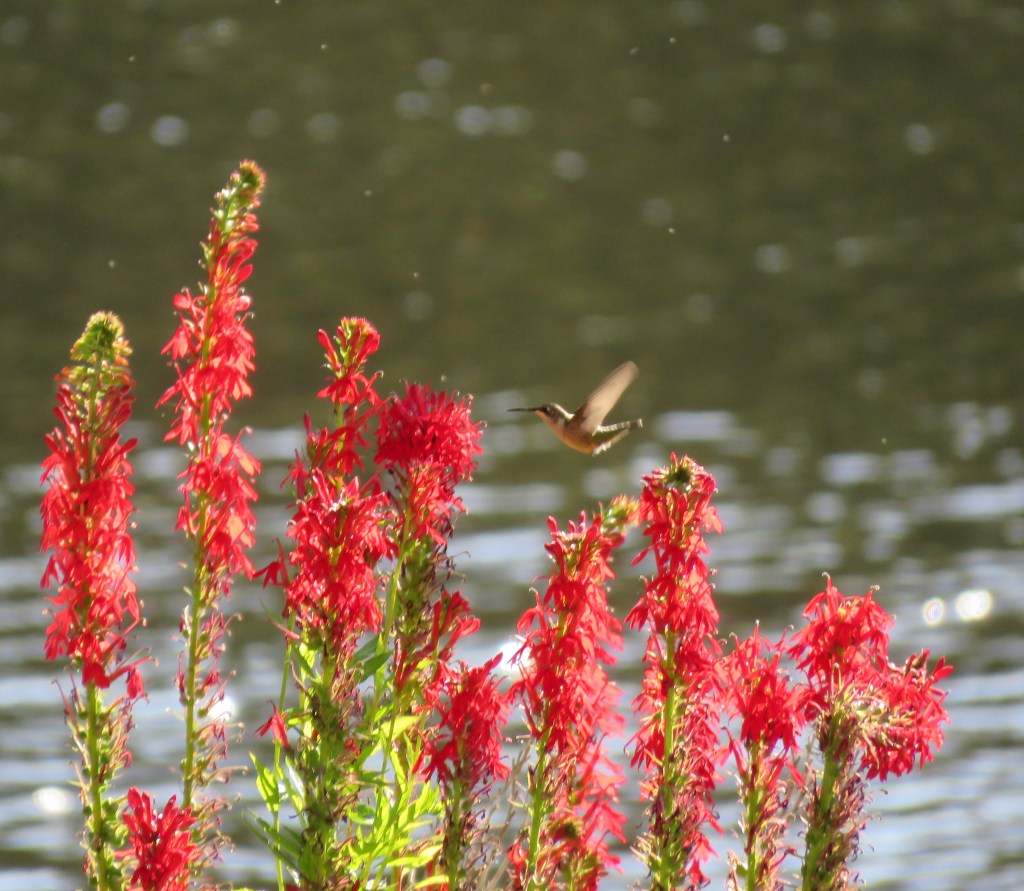
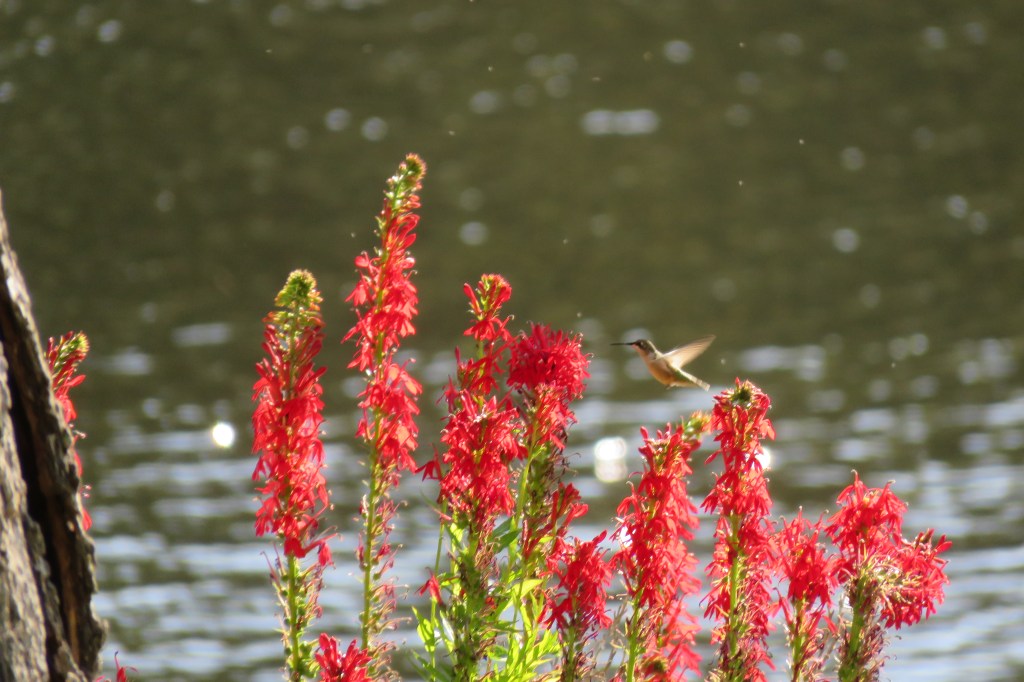
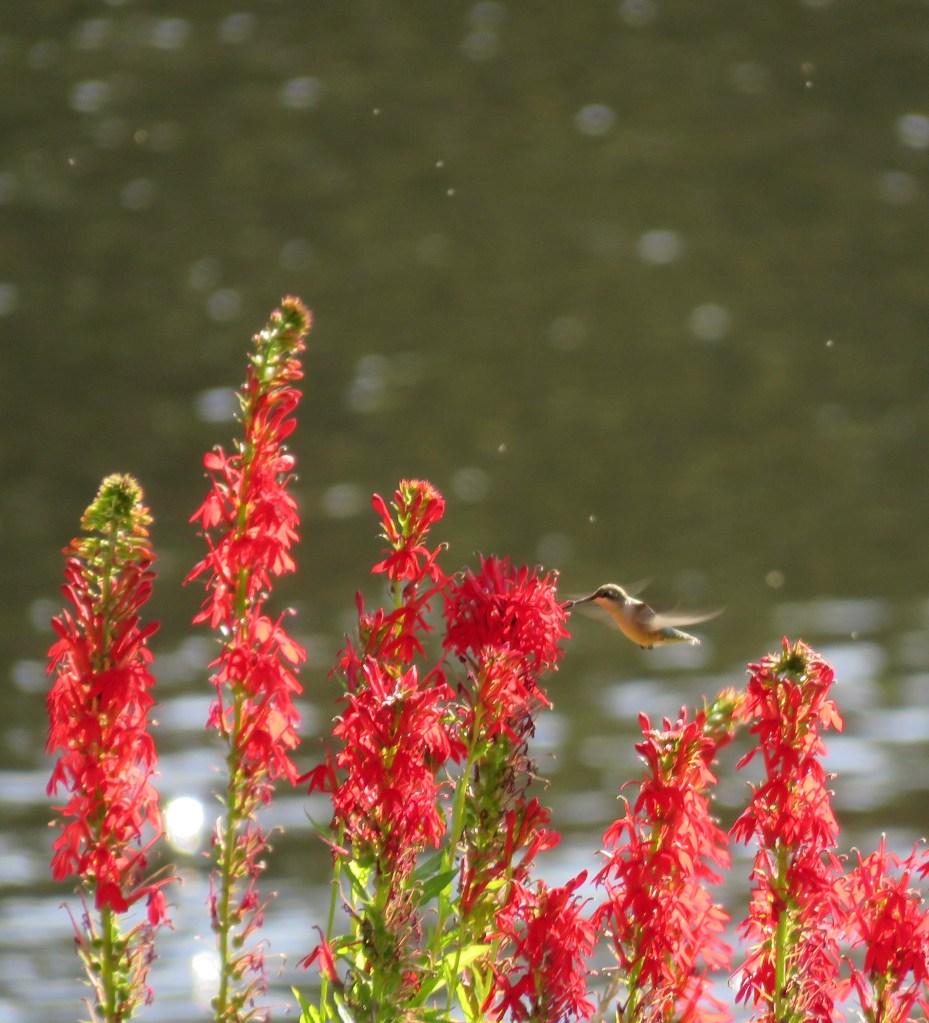
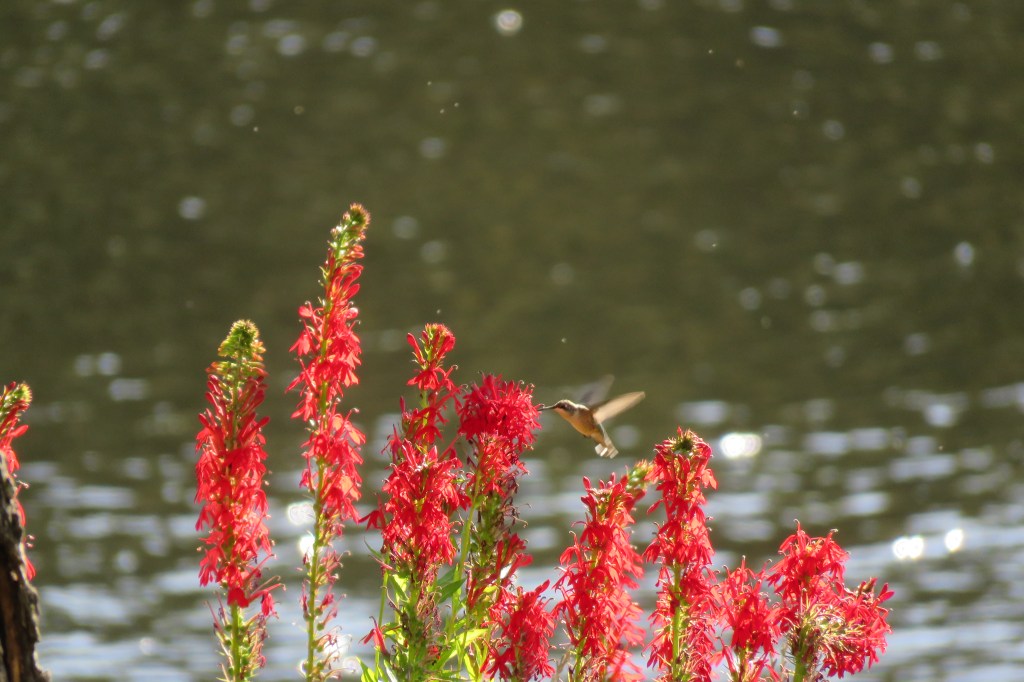
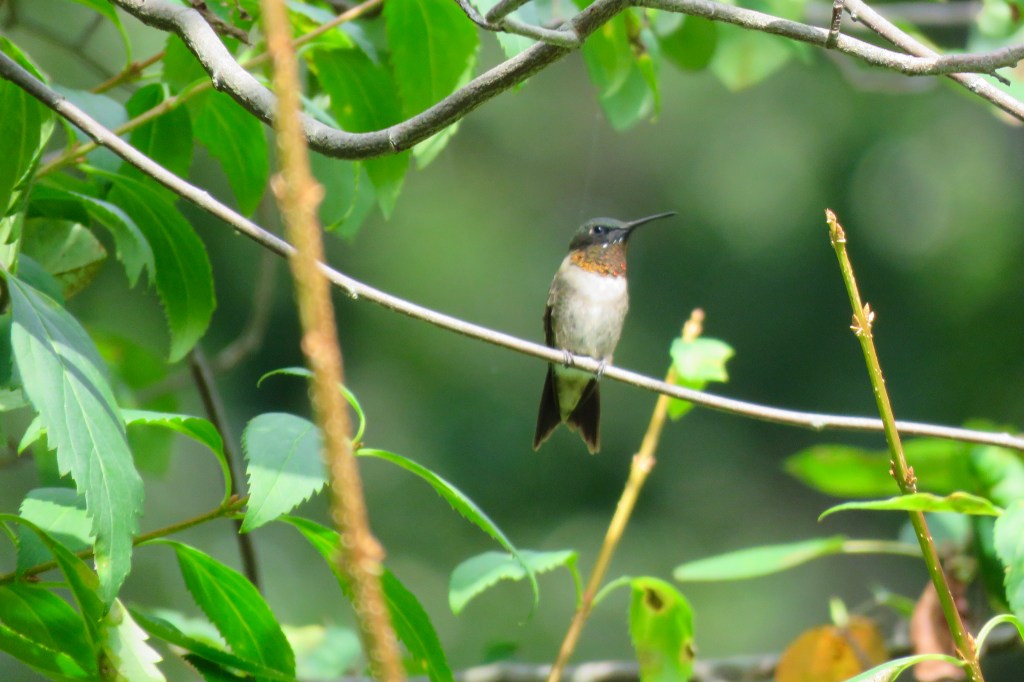
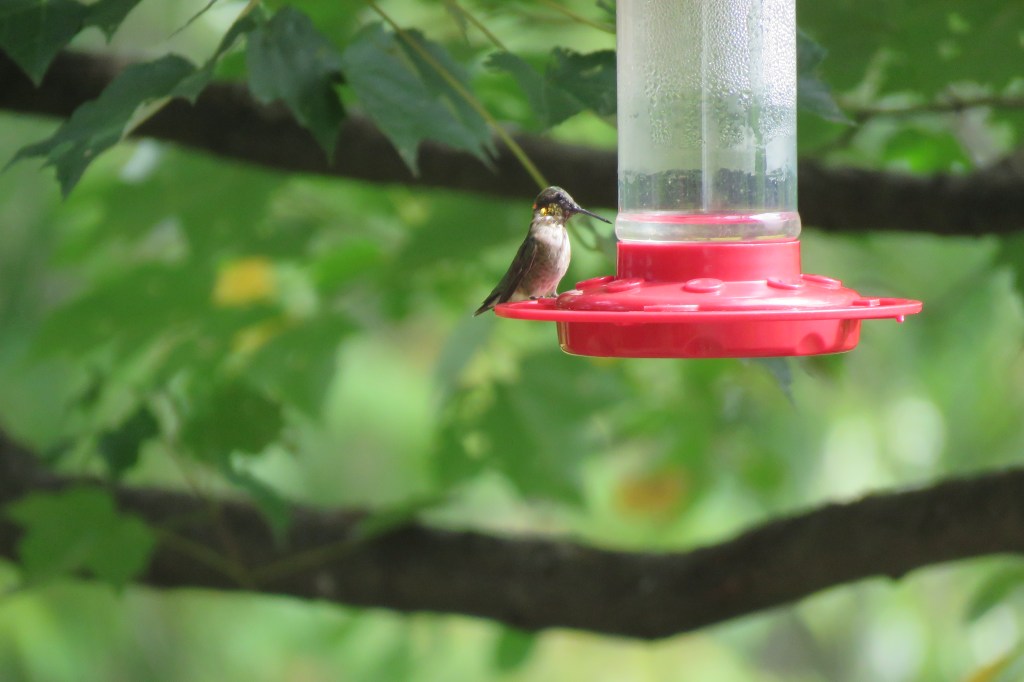
And the hummingbirds, ahhh the hummingbirds–fortified by the offerings of my gardens and nectar feeders, they will travel long and hard, without a backward wave of their tiny wings.
It’s interesting that when the dog days of summer are upon me I long for the coolness autumn offers, but when summer fades away I miss her warm nights, the songs of the crickets, and her languid days.
I’ve been MIA for a while. My hydrocephalus kicked up and leveled me with the annoying symptoms of falling, stuttering, shaking, and a general feeling of confusion and malaise. Add in a sprinkling of anger and depression and it’s been a hodgepodge of emotions.
As a result, I haven’t been keeping up with posts to this blog. But, since today is the last day of August, I figured I should recap the month with some pictures.
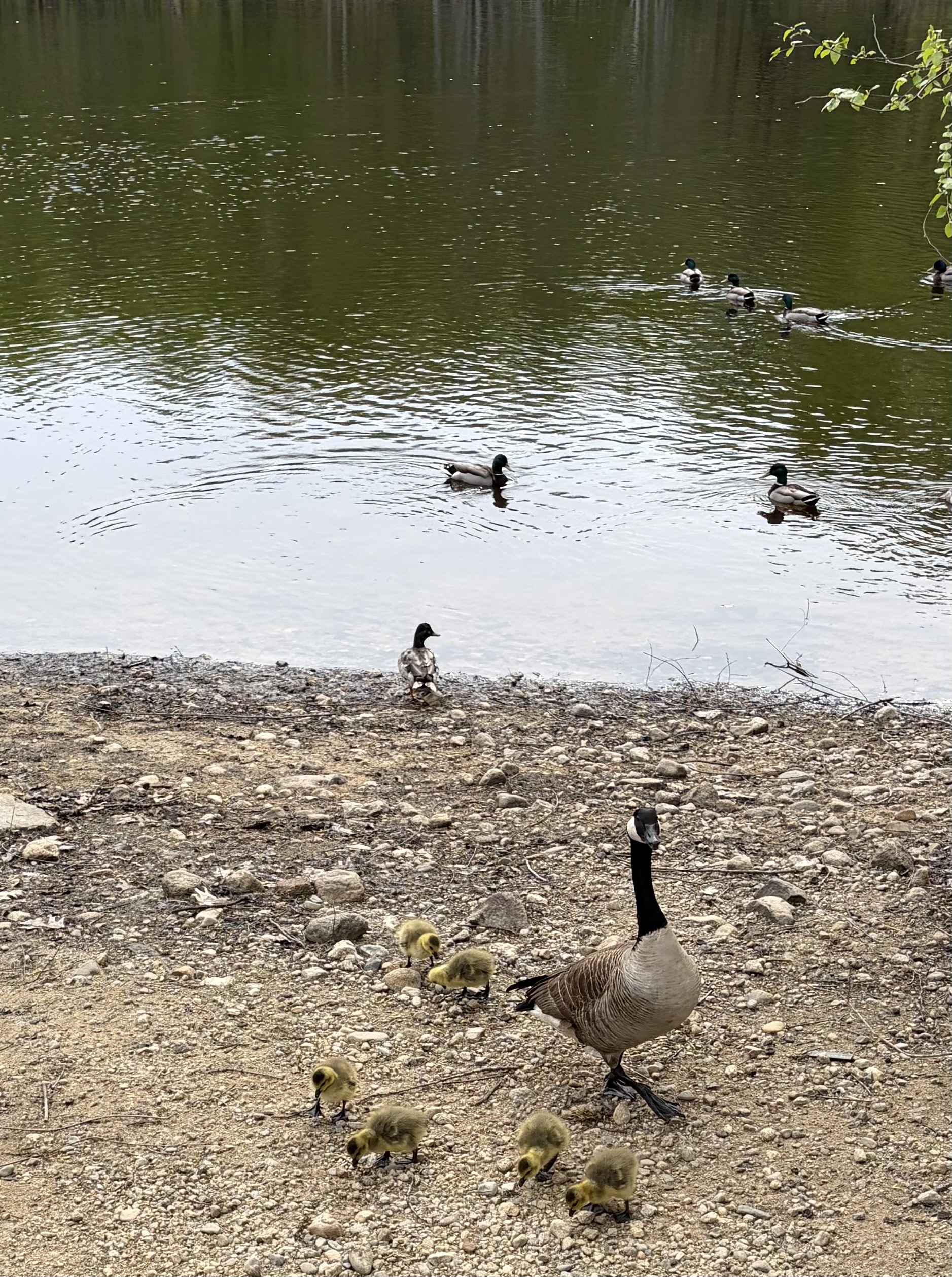
The goslings grew up.
May 11, 2026August 12, 2026
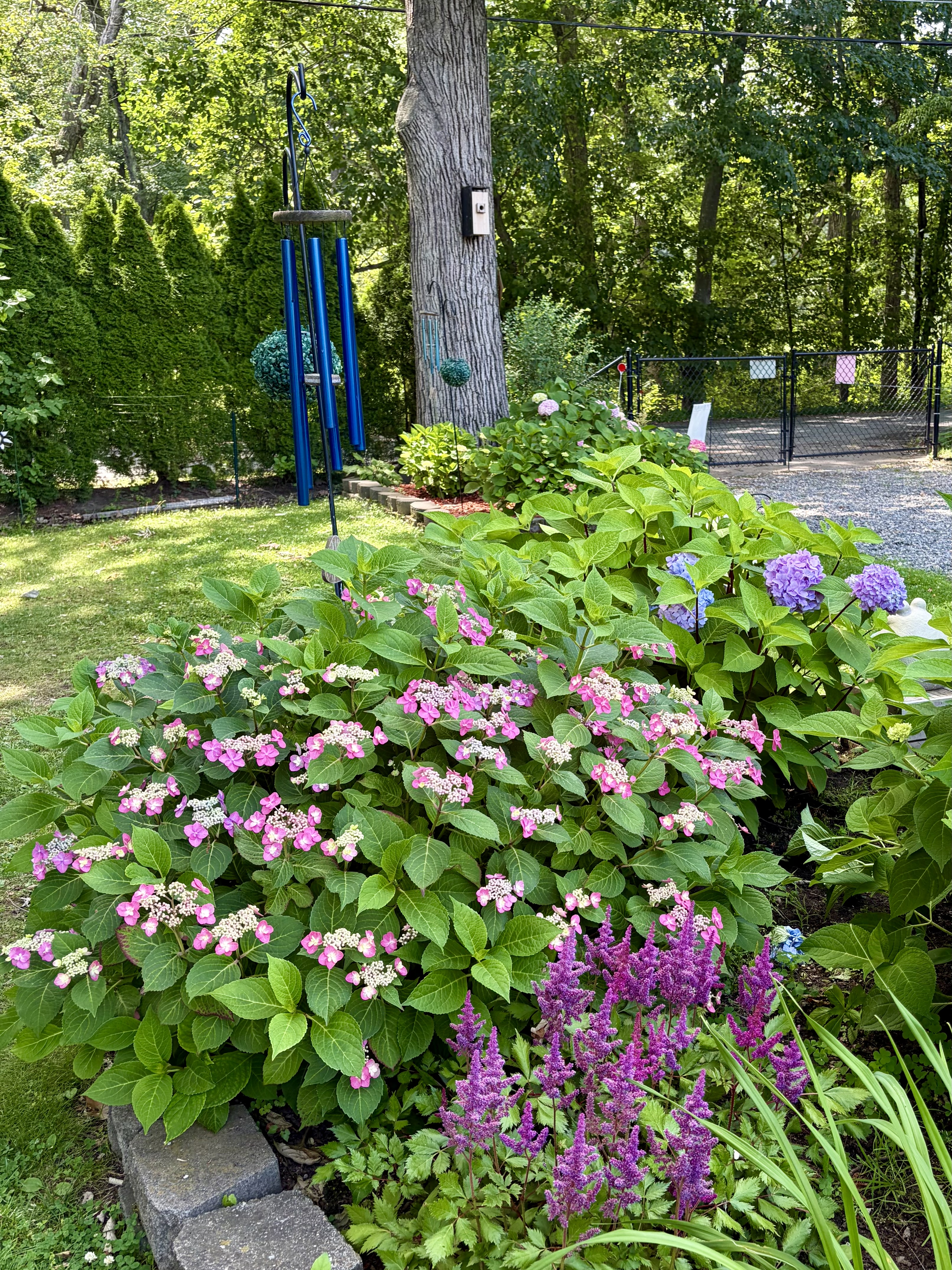
My gardens flourished.
Hydrangeas and Astilbe
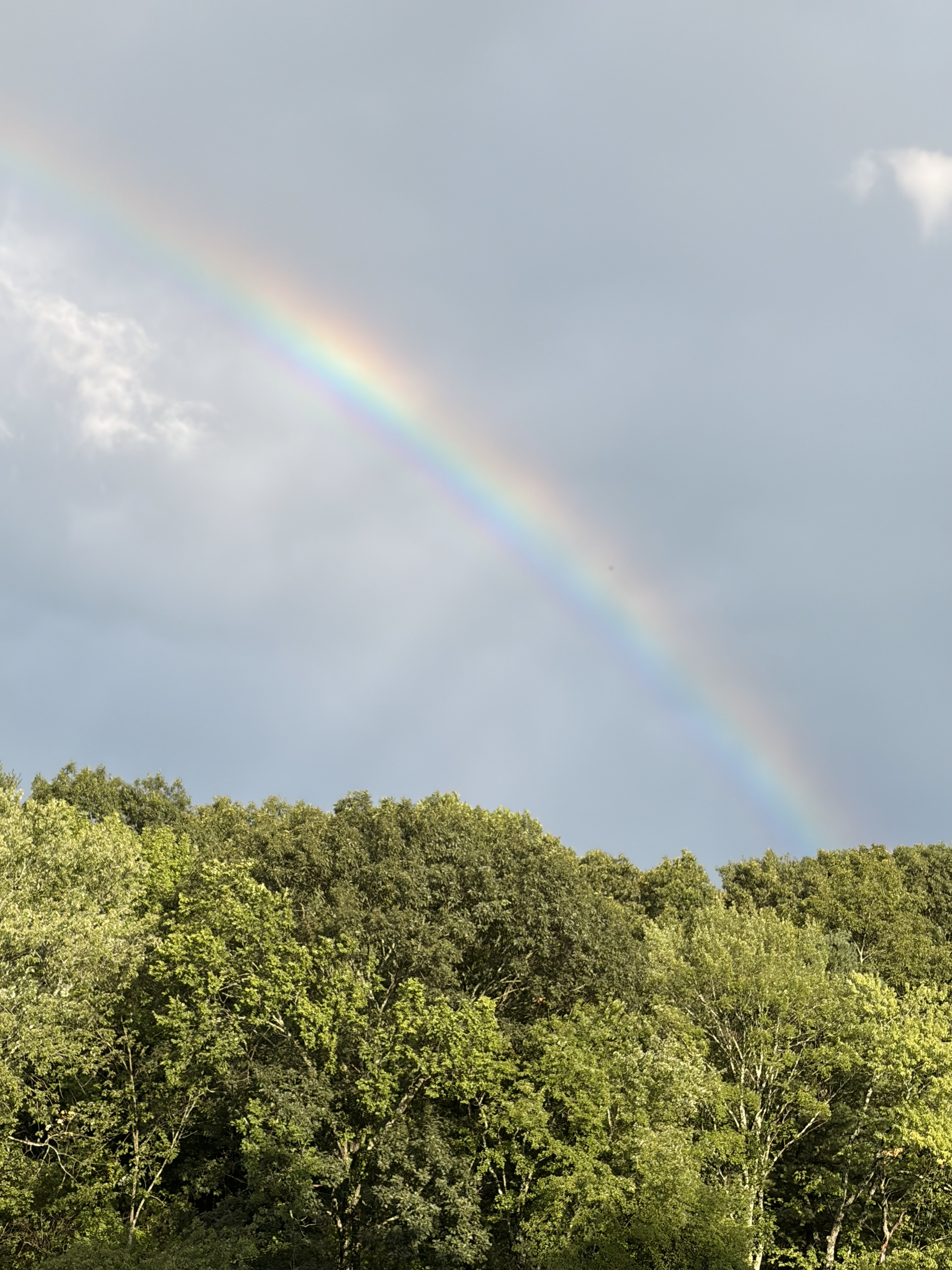
After some much needed rain I got to see a rainbow.
Rainbow over the Concord River, Summer, 2026.
If I had been able to walk without falling I would have searched for the pot of gold. Instead, I stayed put and made a wish. When was the last time you saw a rainbow?
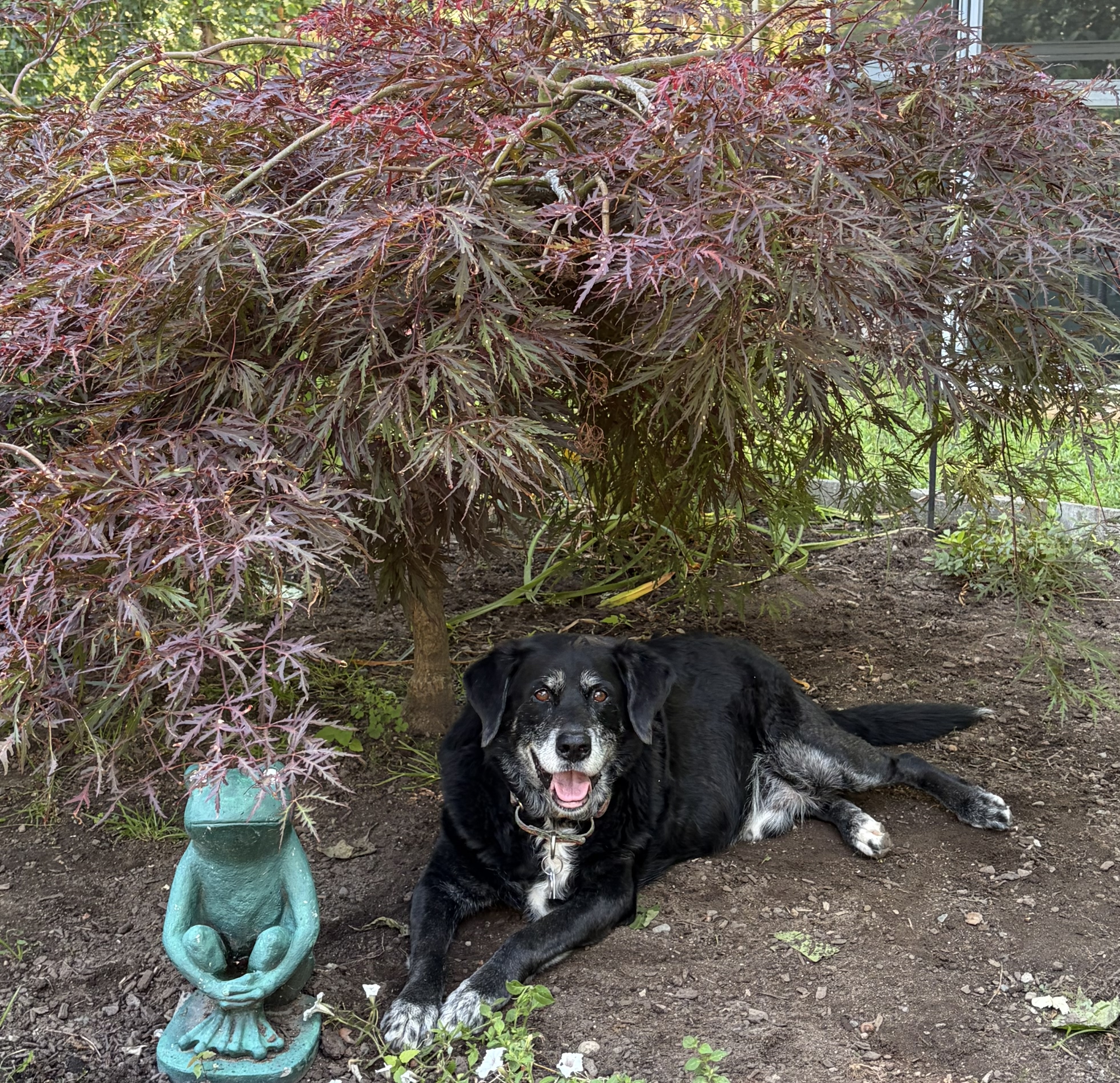
Harlee continued to be healthy. Not bad for a dog who’s fifteen.
Harlee, August, 2026
Bailey and her sister enjoyed the new splash pool she received for her birthday. Thanks, Jen.
Bailey and Gracie, 2026
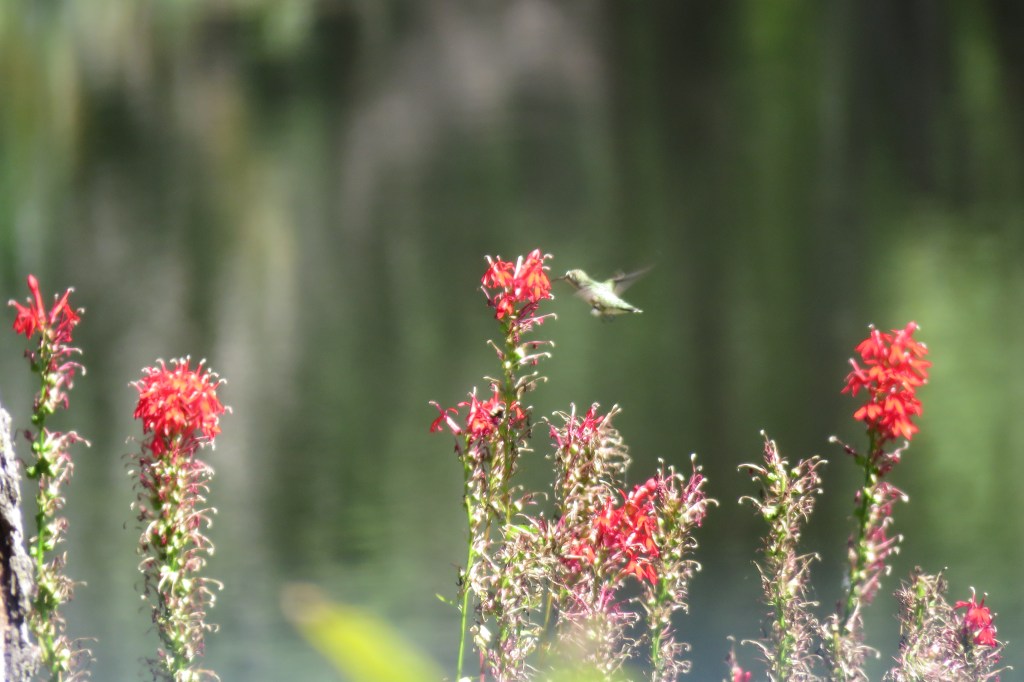
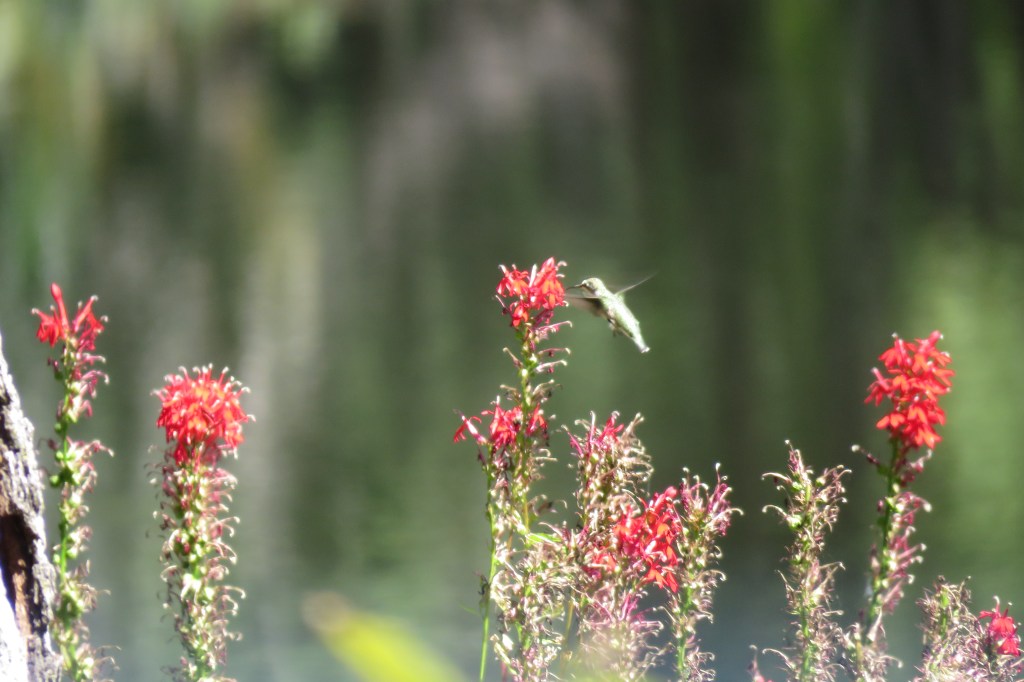
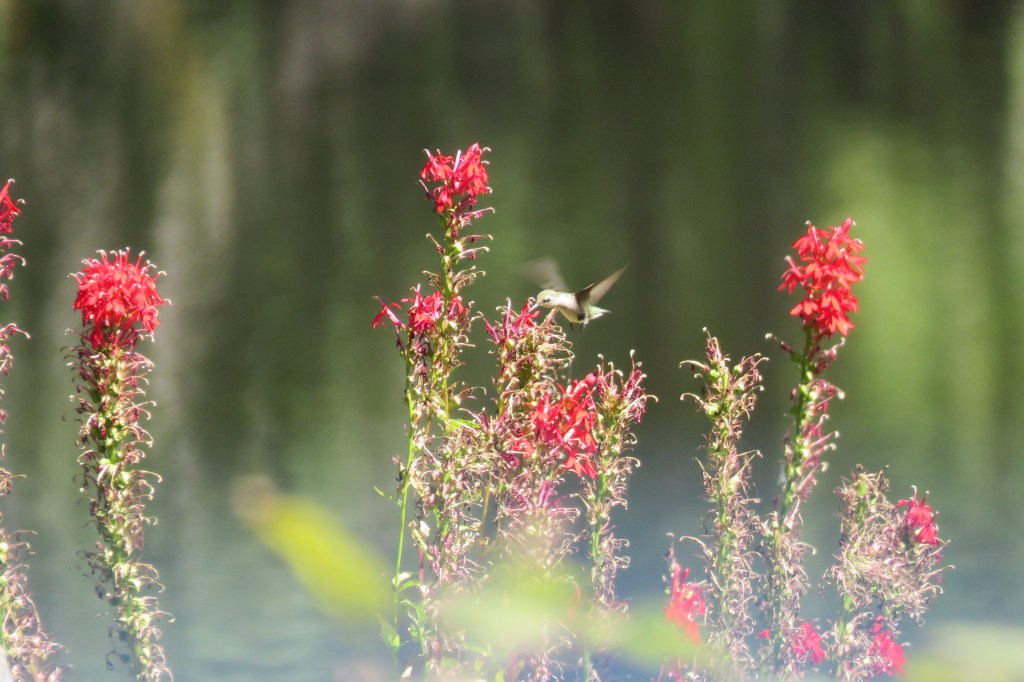
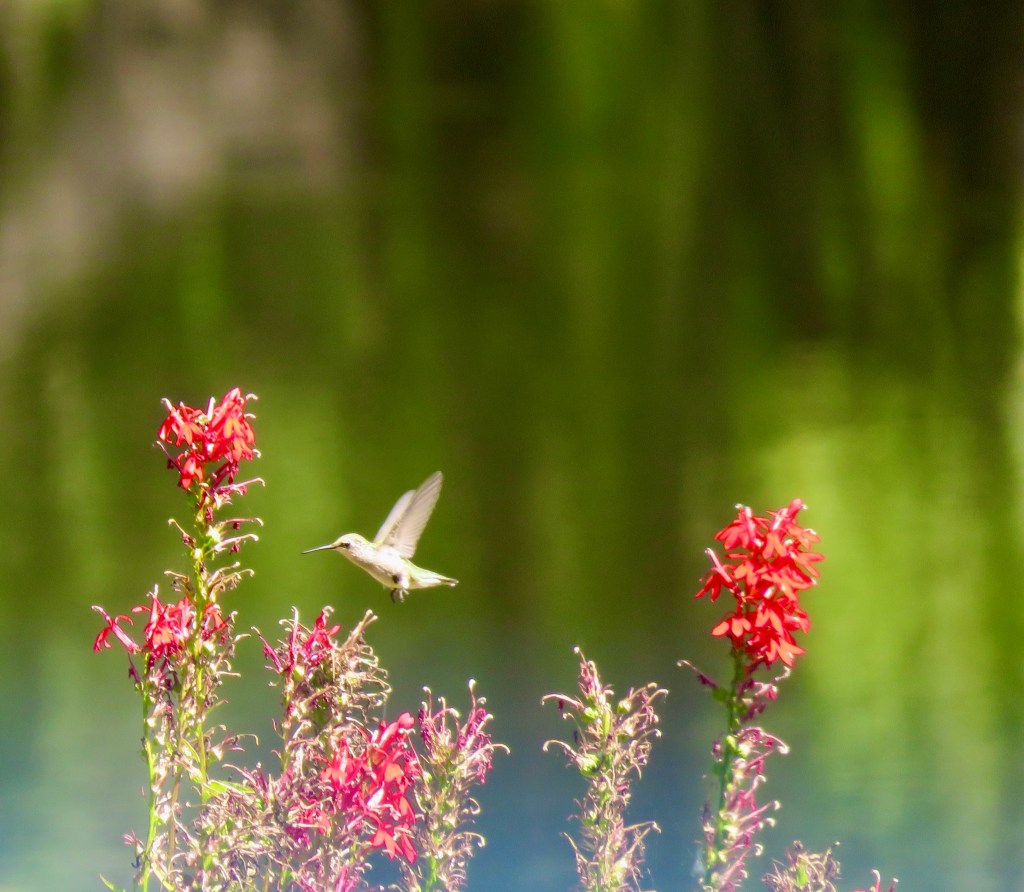
Thanks to my camera feeder, I got to watch hummingbirds.
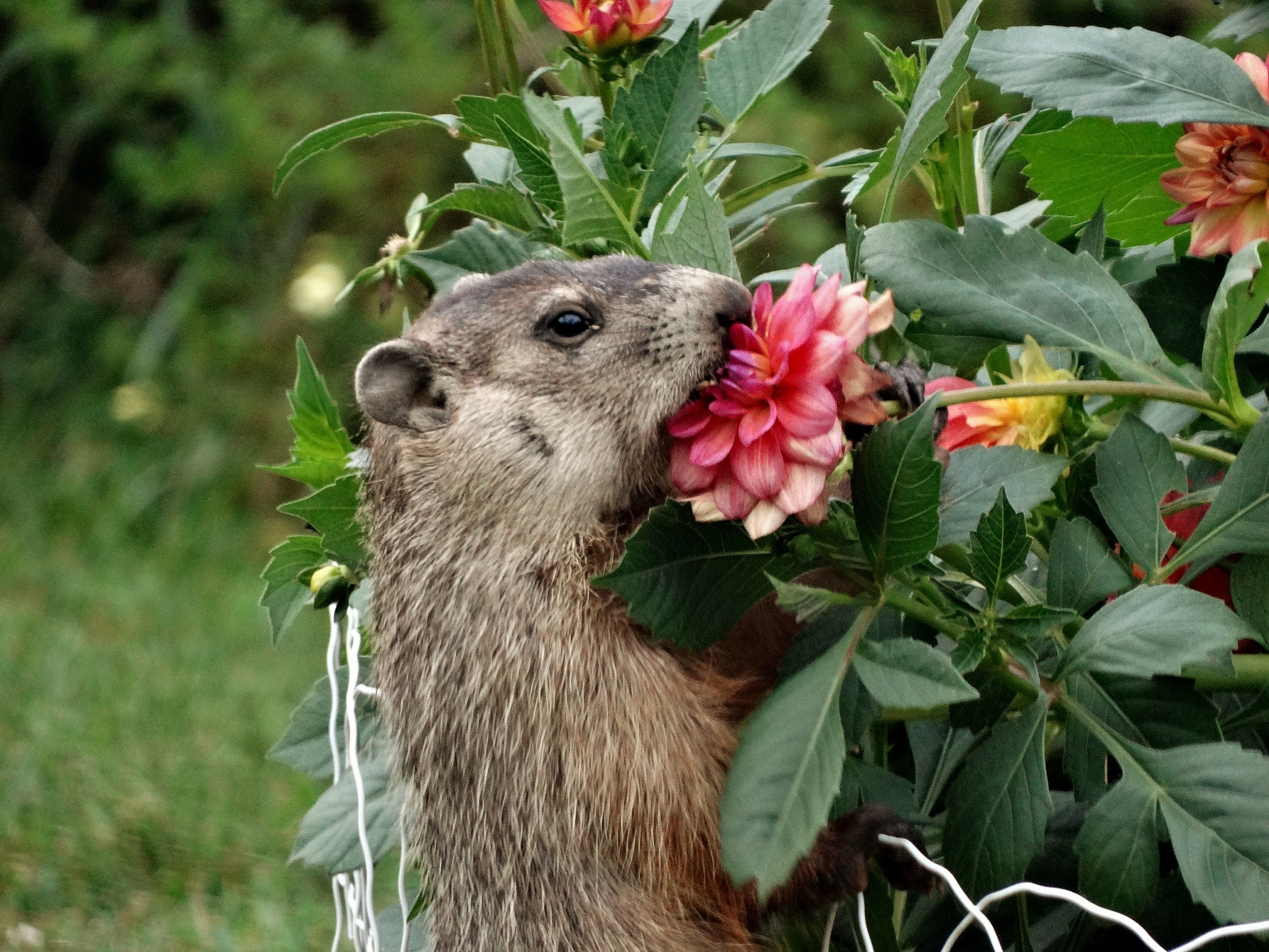
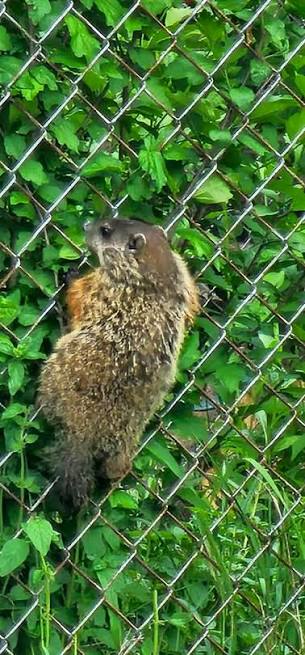
Overall, it’s been an interesting summer. I won’t bore you with the things that rattled my composure, but I will bore you with my irritation at the groundhog. Darn varmint destroyed my zinnias and dahlias.
Did you know they could climb?
I won’t be sorry to see the season end. I’m more than ready for cool weather, pumpkins, and hibernating critters.
It is with a deep joy in my soul that I send you this Solstice Prayer:
May the summer season bring you drink to quench your thirst and food to fill your belly.
May the sun warm your bones and hold you gently in his embrace.
May the breeze caress your skin and cool your brow.
May your soul find joy in the colors, scents, and songs of nature.
May you know peace and tranquility in the shade of an oak.
May your journey be without peril.
May you soar.
Blessed be.
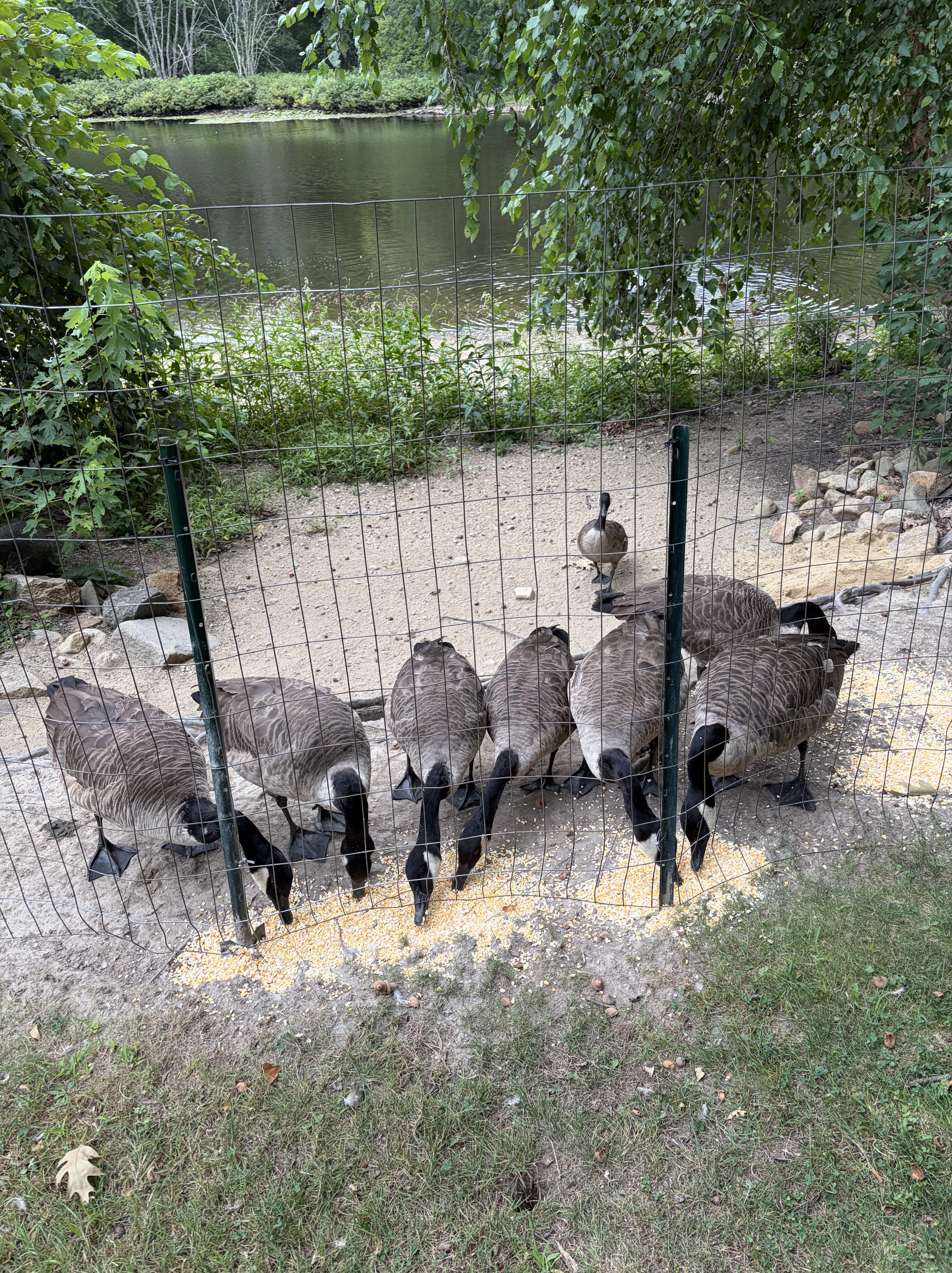
Lately, a female wild turkey has been visiting the yard during feeding time for the ducks and geese.
At first she was skittish and actually flew up to a high branch to get away from Bailey.
But recently she’s become relaxed. I guess food supersedes four-year-old chocolate labs.
Here are some cool facts about wild turkeys:
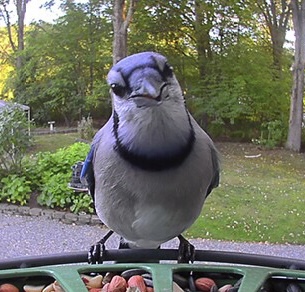
Feathers: An adult wild turkey has approximately between 6,000 feathers. Wow! When I took Ornithology in college we had to count the feathers of a Blue Jay. I’m glad we didn’t do a turkey.
The Snood and Waddle: The flap of skin under a turkey’s chin is the waddle, while the fleshy piece hanging over its beak is the snood. I get what a waddle since that’s what I do everyday.
Gobbles: Only male turkeys gobble. This distinct call can be heard up to a mile away to attract mates and signal rivals.
Poop Clues: You can tell a turkey’s sex from its droppings. Male scat forms a “J” shape, while female droppings look like a spiral blob. (Ummm, nope. I’m just going to assume my turkey is a female.)
Super Vision: Turkeys see in color and have a 270-degree field of vision. Their eyesight is estimated to be three times better than 20/20 human vision.
Diet: As omnivores, they primarily eat nuts (like acorns), seeds, berries, and insects, and cracked corn.
Lifespan: Their average lifespan in the wild is about three to five years. Three to five years! I’ll have to buy more cracked corn.
Another really cool fact is that wild turkeys sleep in trees at night, to stay clear of predators. This behavior is called roosting.
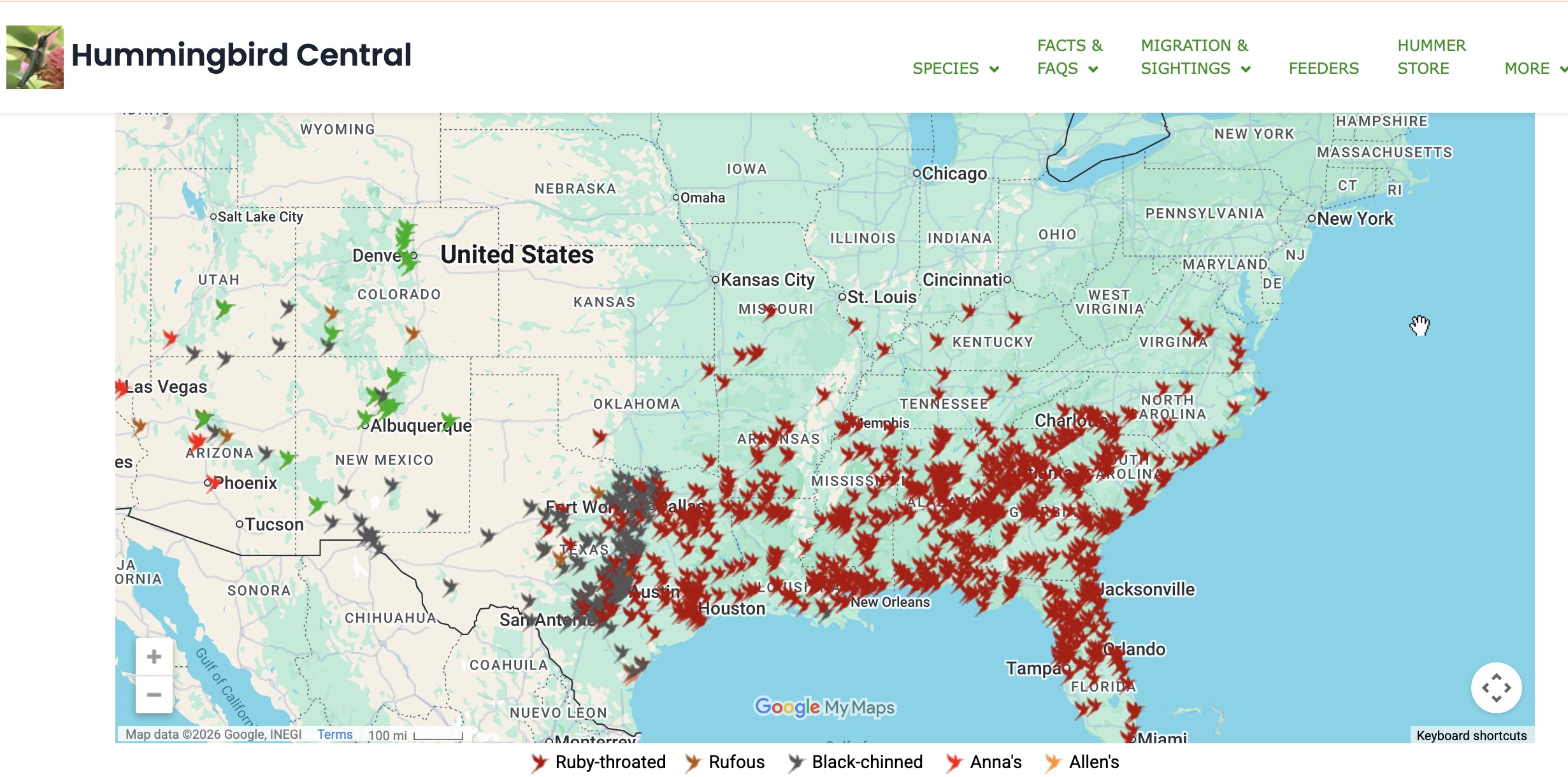
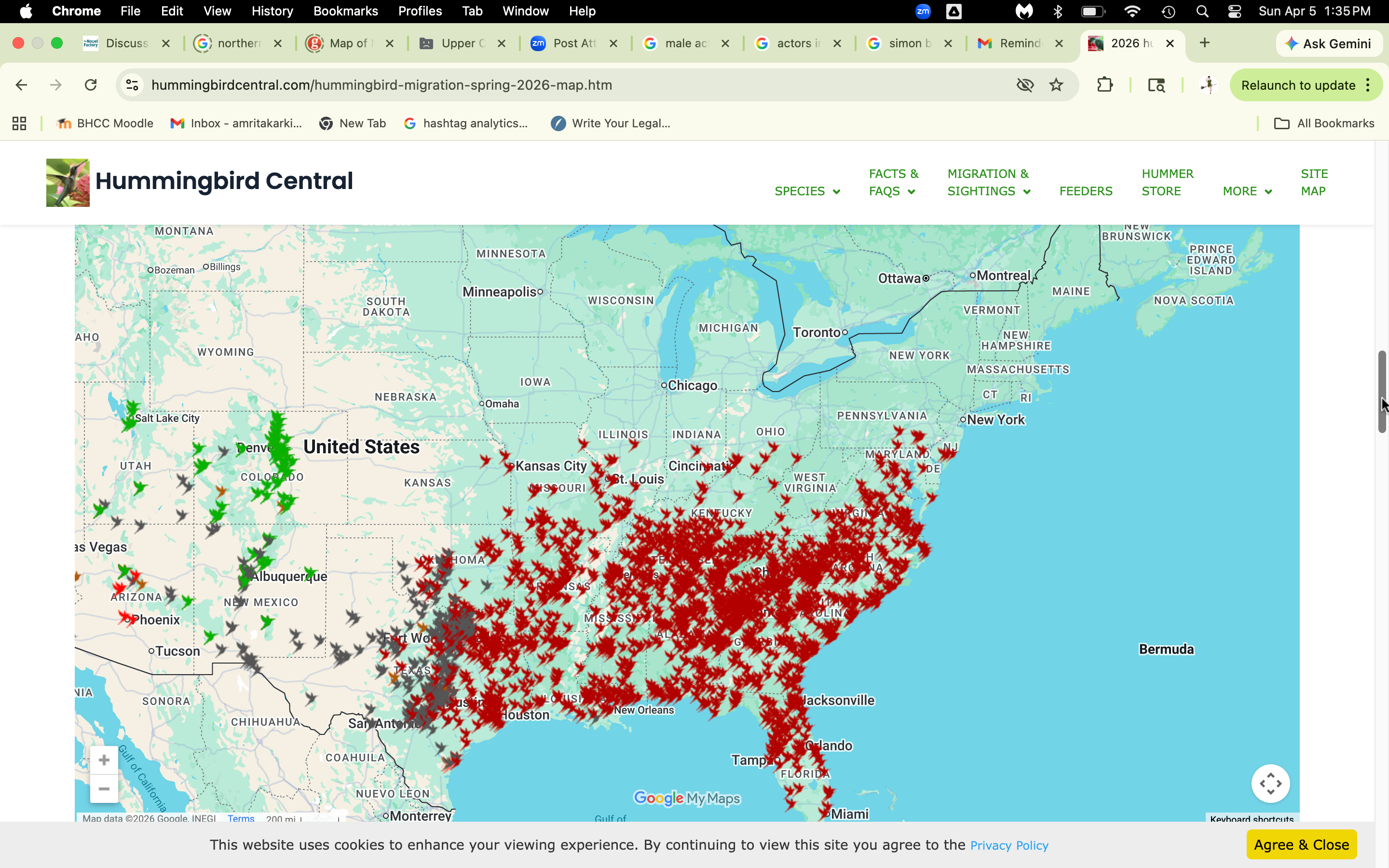
The Ruby-throated hummingbirds are heading up the eastern portion of the United States.
March 30, 2026April 5, 2026
And, after traveling thousands of miles (over 2,000), they will be hun-gah-reeeee! So get those nectar feeders ready.
Do you recall how to make hummingbird nectar? No? Well, this video might help.
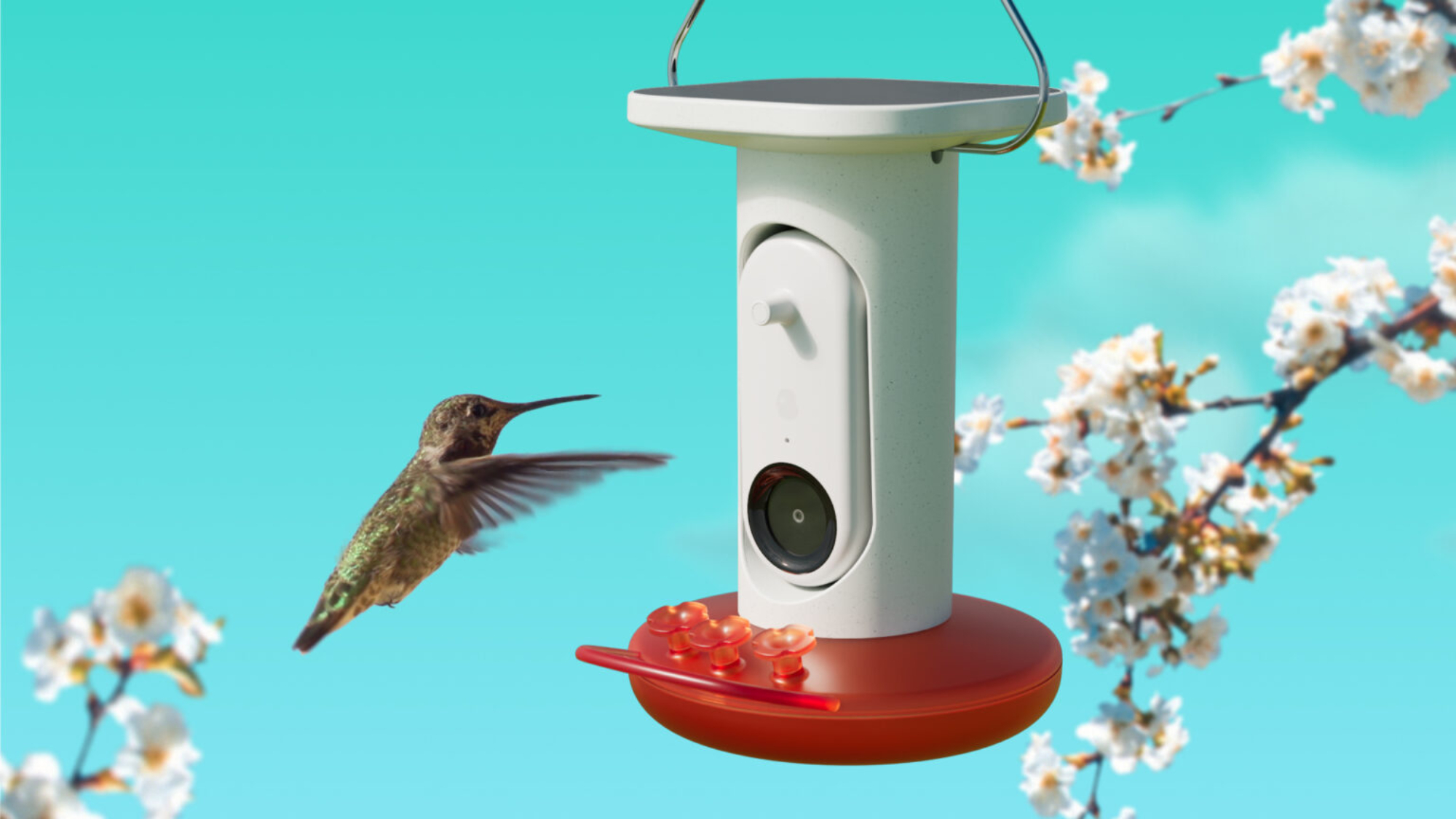
If you’re lucky, someone might give you a hummingbird feeder/camera system like the one I received.
(Thank you, Bob!)
The Smart Hummingbird Solar Feeder – not a paid endorsement.
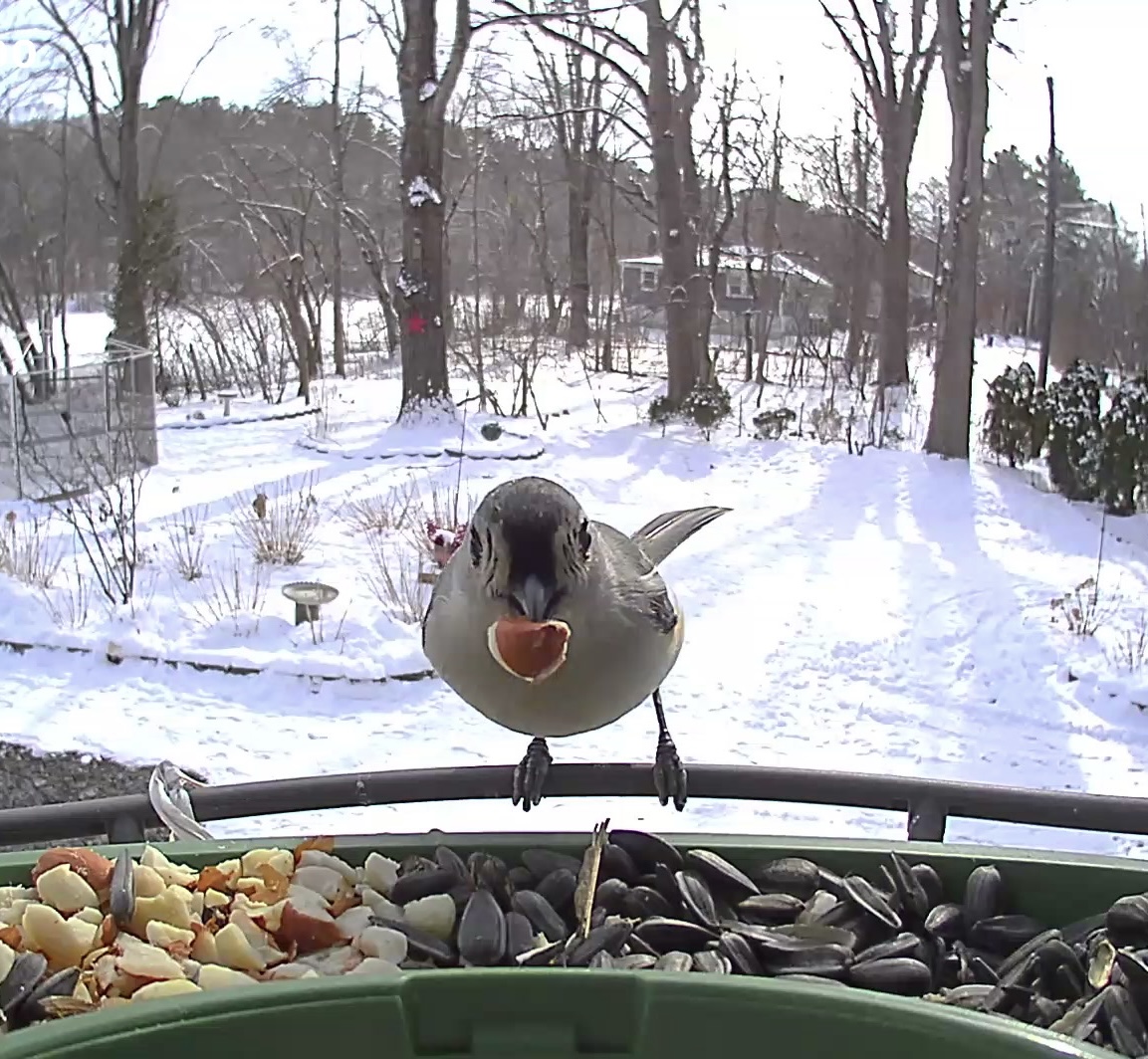
I’m excited to think of the cool photos and videos I’ll get when my Ruby-throated hummingbirds arrive. Until then, however, the Downy woodpeckers will have to do.
I have to admit that I’m not a big fan of March. The world outside my window is typically brown and lackluster, although at the present time it’s white and slippery. I mean, if I had a quarter for every time I’ve fallen in the past two weeks I’d have enough for a small Dunkin Donuts coffee.
My right knee can’t take much more of this.
I need to find some positive things about March. Here goes.
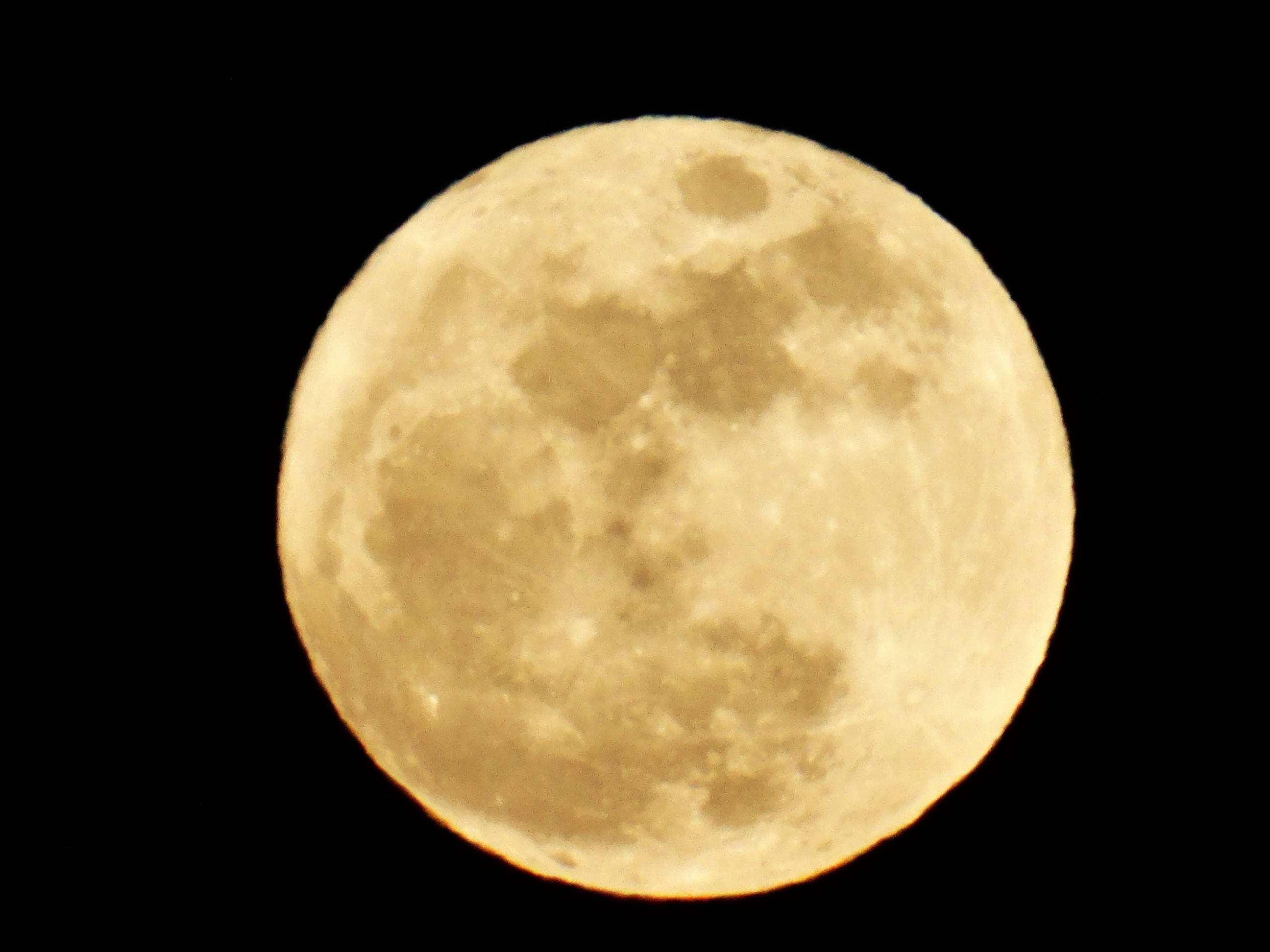
On the 3rd of the month there will be a total lunar eclipse resulting in a full blood moon–the Worm Moon, named because the worms are stirring in the earth. A lovely thought, indeed.
A blood moon happens when the moon moves into the Earth’s shadow and turns deep red.
My photo of the blood moon from August, 2014.
The eclipse occurs in stages with totality happening at the end. Duh.
Those of us on the east coast will get to watch the eclipse at 6:00 am. Set your alarm.
If you’re on the west coast, or in Hawaii, your window of opportunity is around 2:45 a.m. PST. Central U.S. folks need to be awake at 4:45 a.m. CST.
Don’t miss this; I mean it. The next blood moon won’t be until 2029 and the way politics are going in America, we might not be here. OMG!
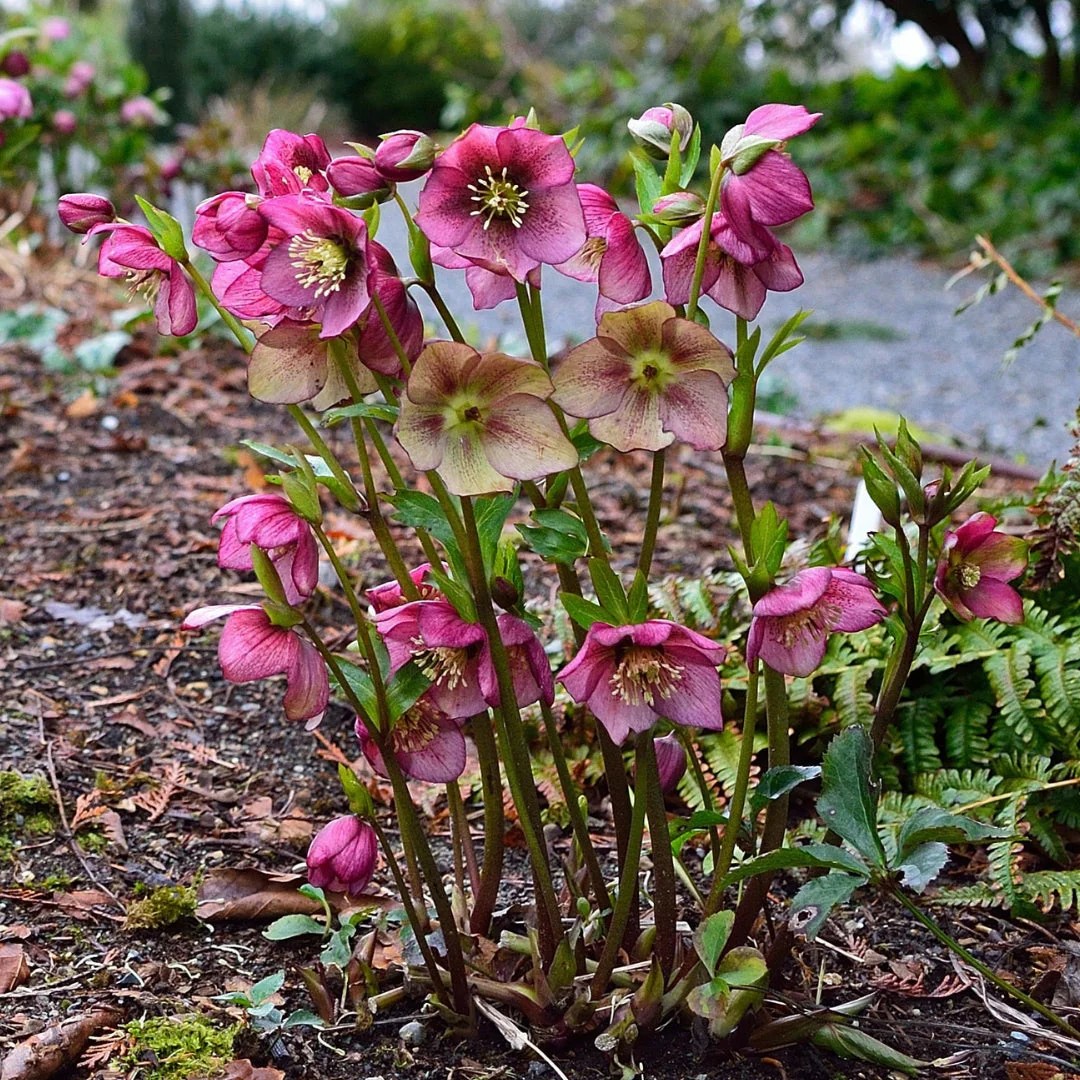
Okay, other things to love about March. Well, the spring Equinox happens on March 20, so that’s a good thing. If the snow is gone by then I might get see my Lenten Roses. Melt, snow, melt.
Hellebores, aka Lenten Rose (photo courtesy of Garden Goods Direct)
What else? March 21st, the day after the spring equinox, is National Flower Day. And March 28 is National Weed Appreciation Day. Seriously, who thought of appreciating a weeds?
But I suppose one woman’s weed is another foolish woman’s flower. Or so they say.
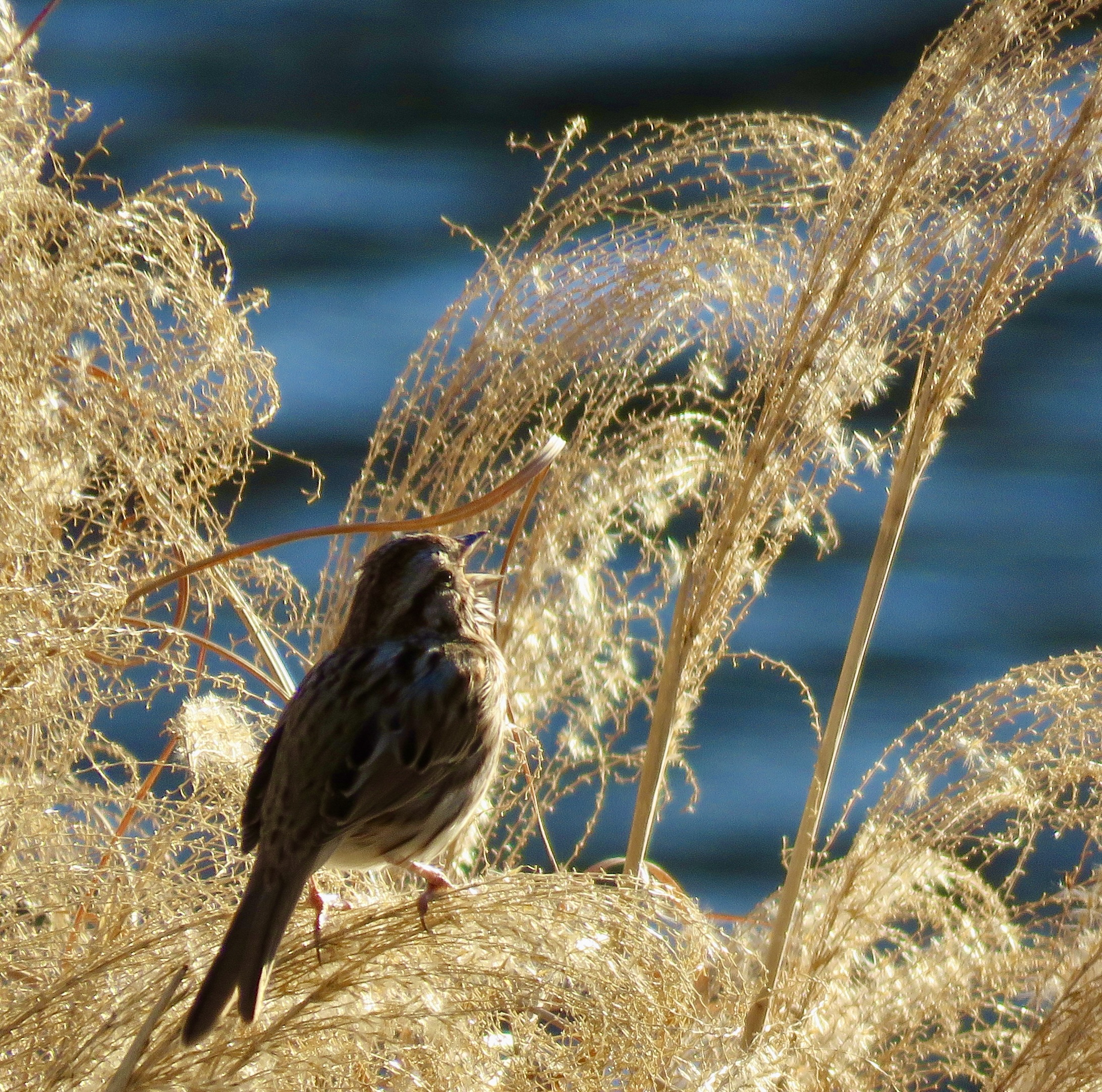
March is the month when song sparrows start calling to establish their territories. Listen carefully and you’ll hear them.
Song Sparrow on my Fountain Grass
Lastly, March is when we fall back and gain an hour. Argh. I just got my dogs on a feeding schedule after springing ahead and now we’ll be screwed up again. (grumble, grumble)
Well, that’s it for my list of reasons to appreciate the month of March.
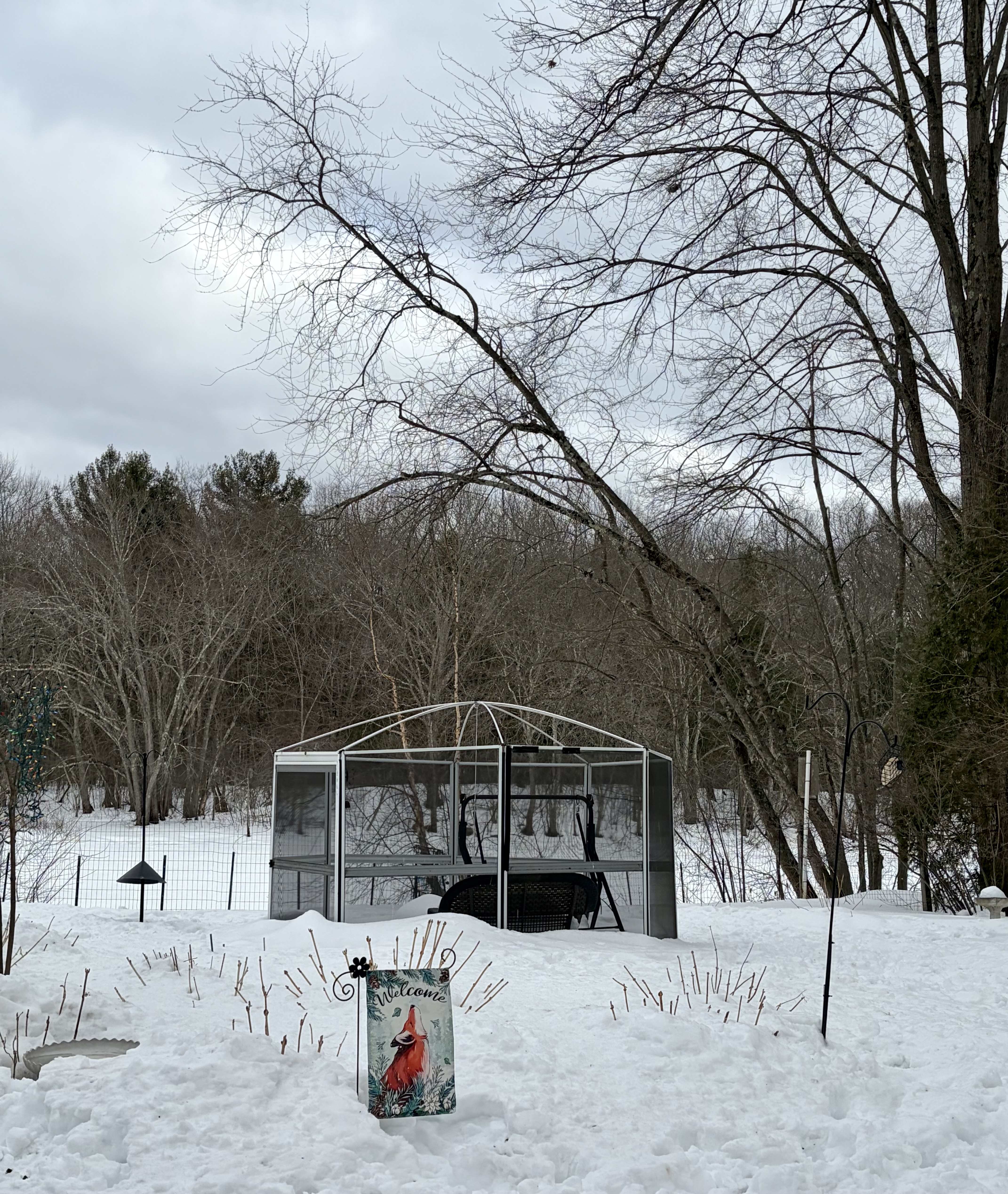
It’s February 19 and there’s still a foot of snow covering my little corner of the Concord River.
My snowy landscape, 2026.
And we’re expected to get another 6 inches tomorrow.
WTF!
Hey, Universe, enough is enough.
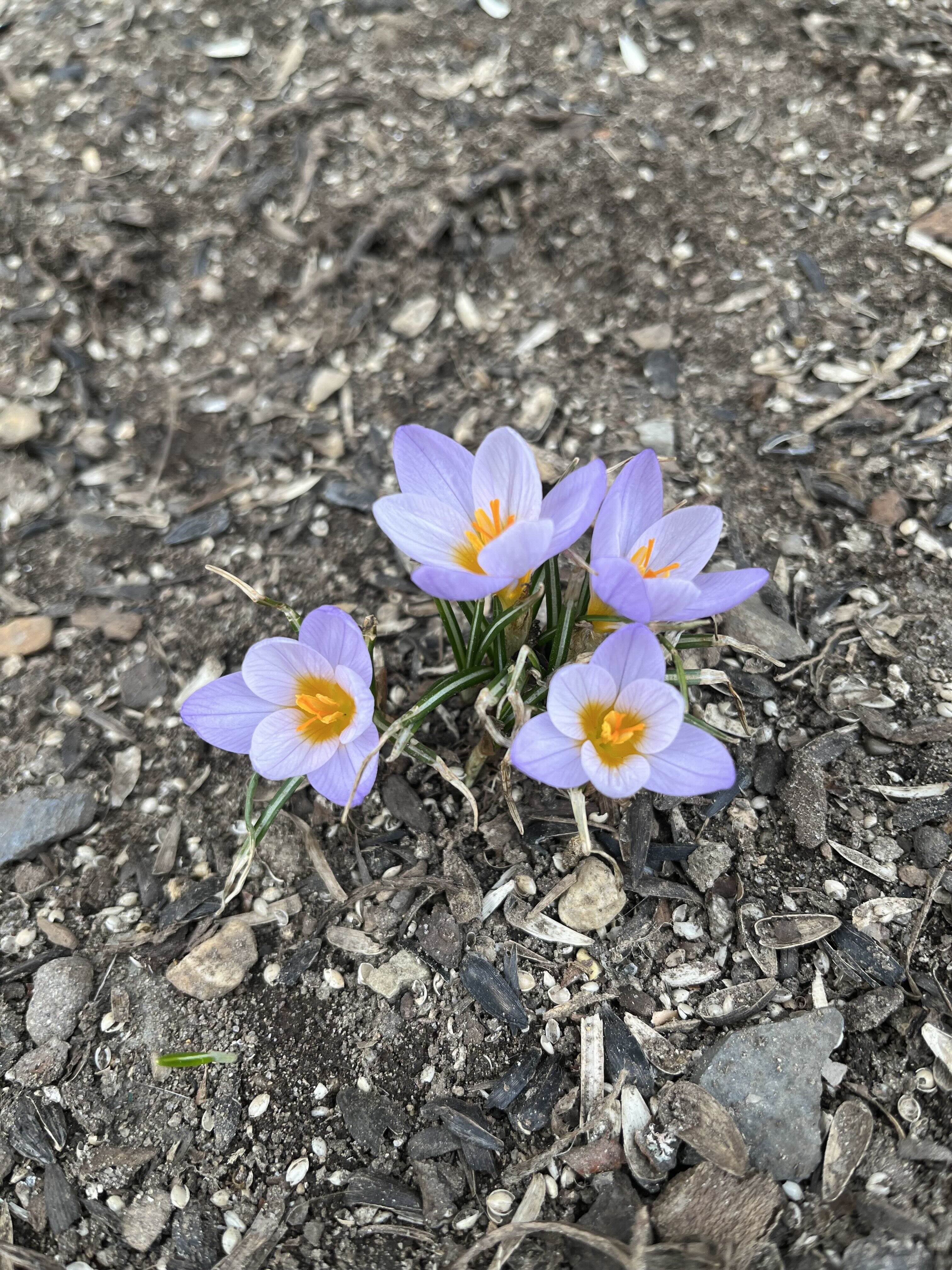
I want to see my crocuses.
2024
I want to build another raised garden. I want to weed. Oh, goodness, did I really type that? Dear me, I must be tired of the snow if I’m longing to weed.
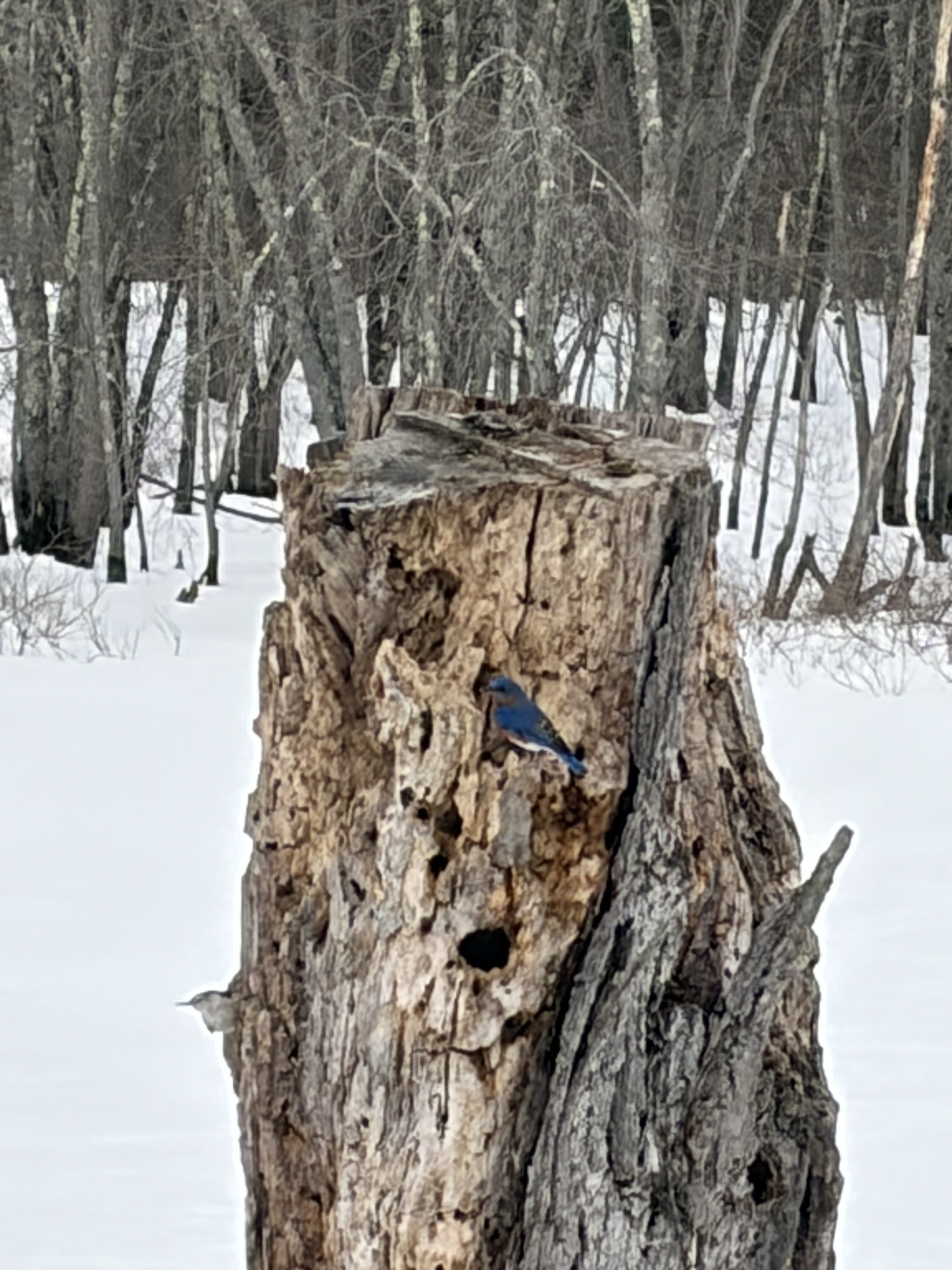
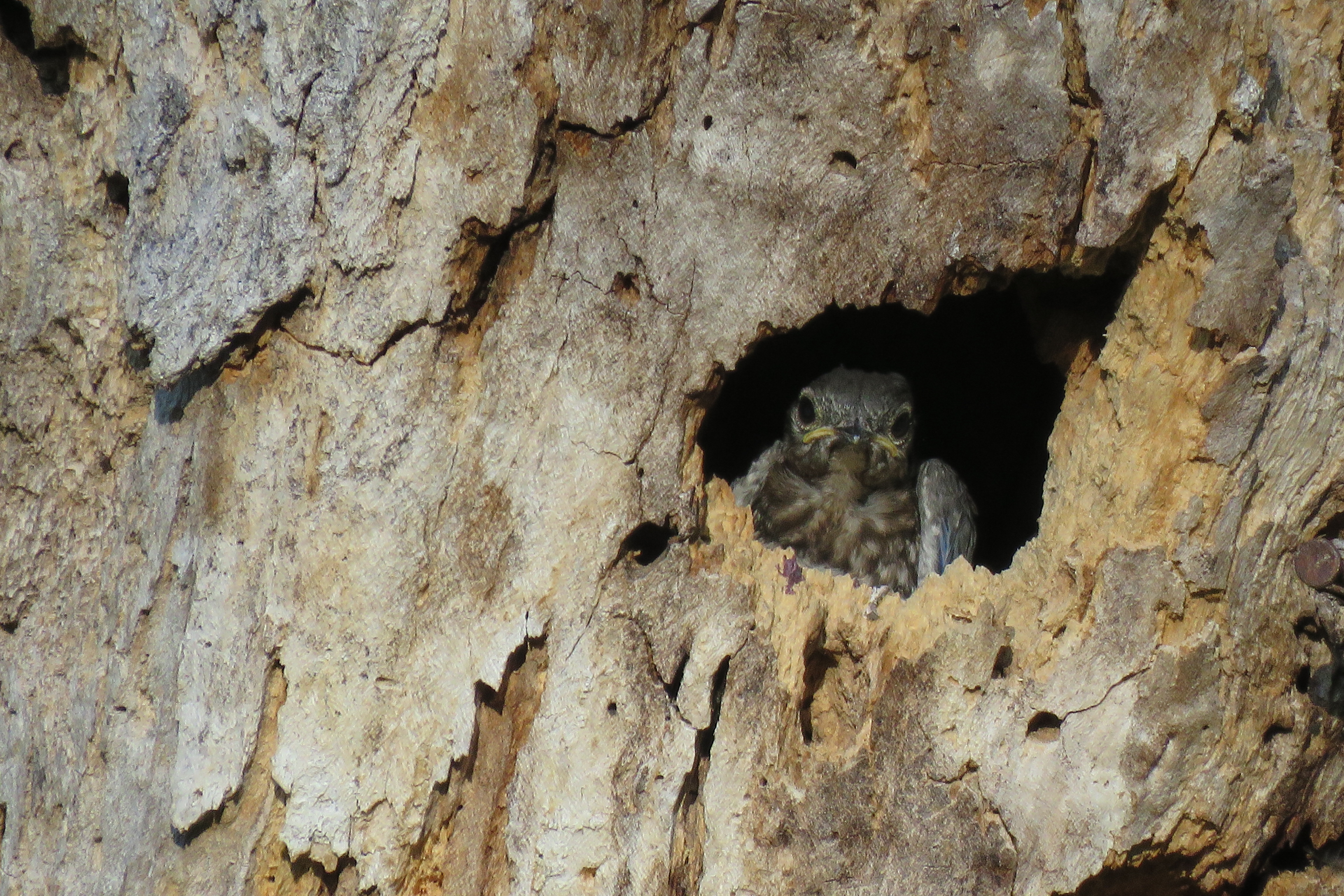
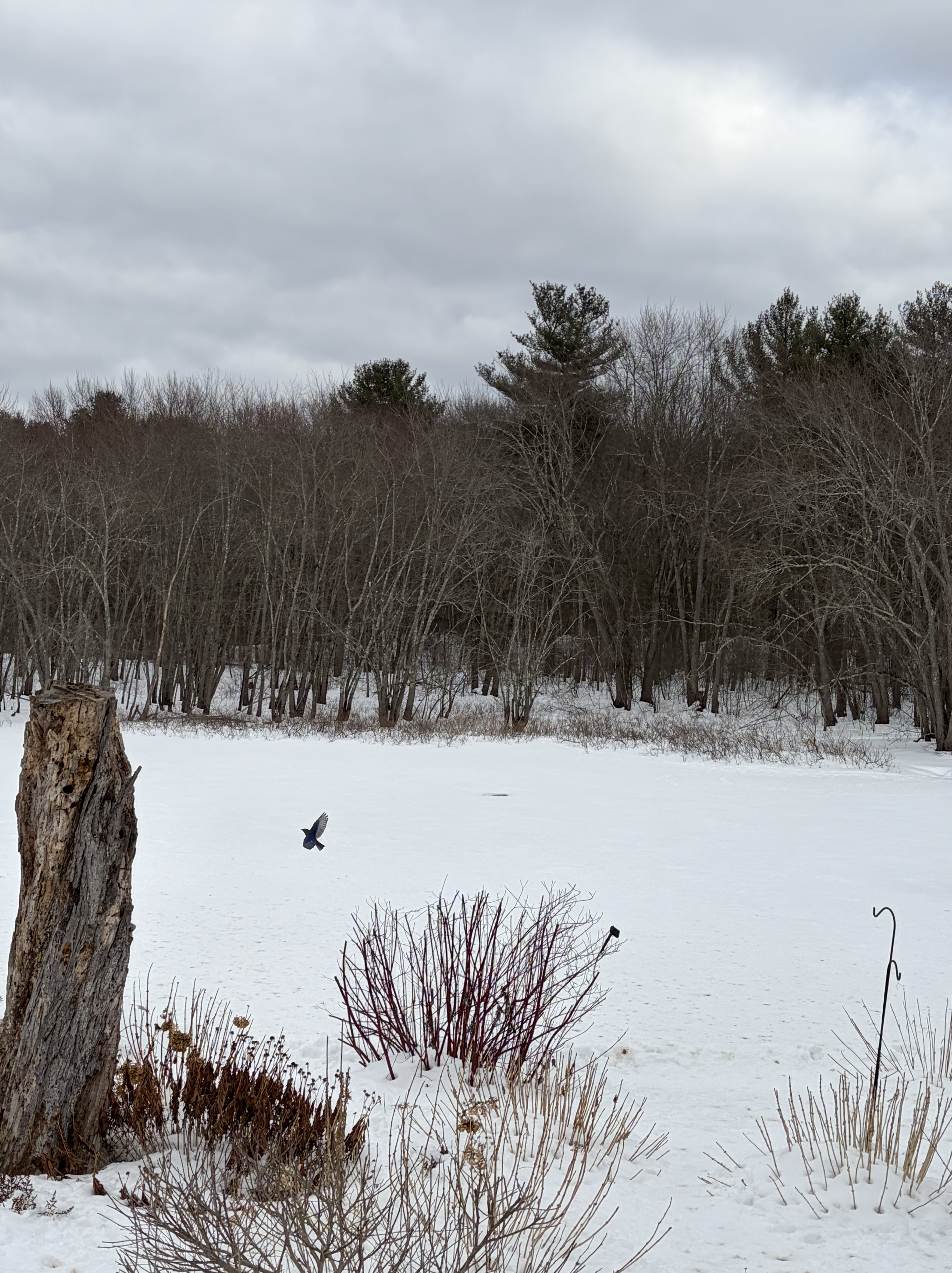
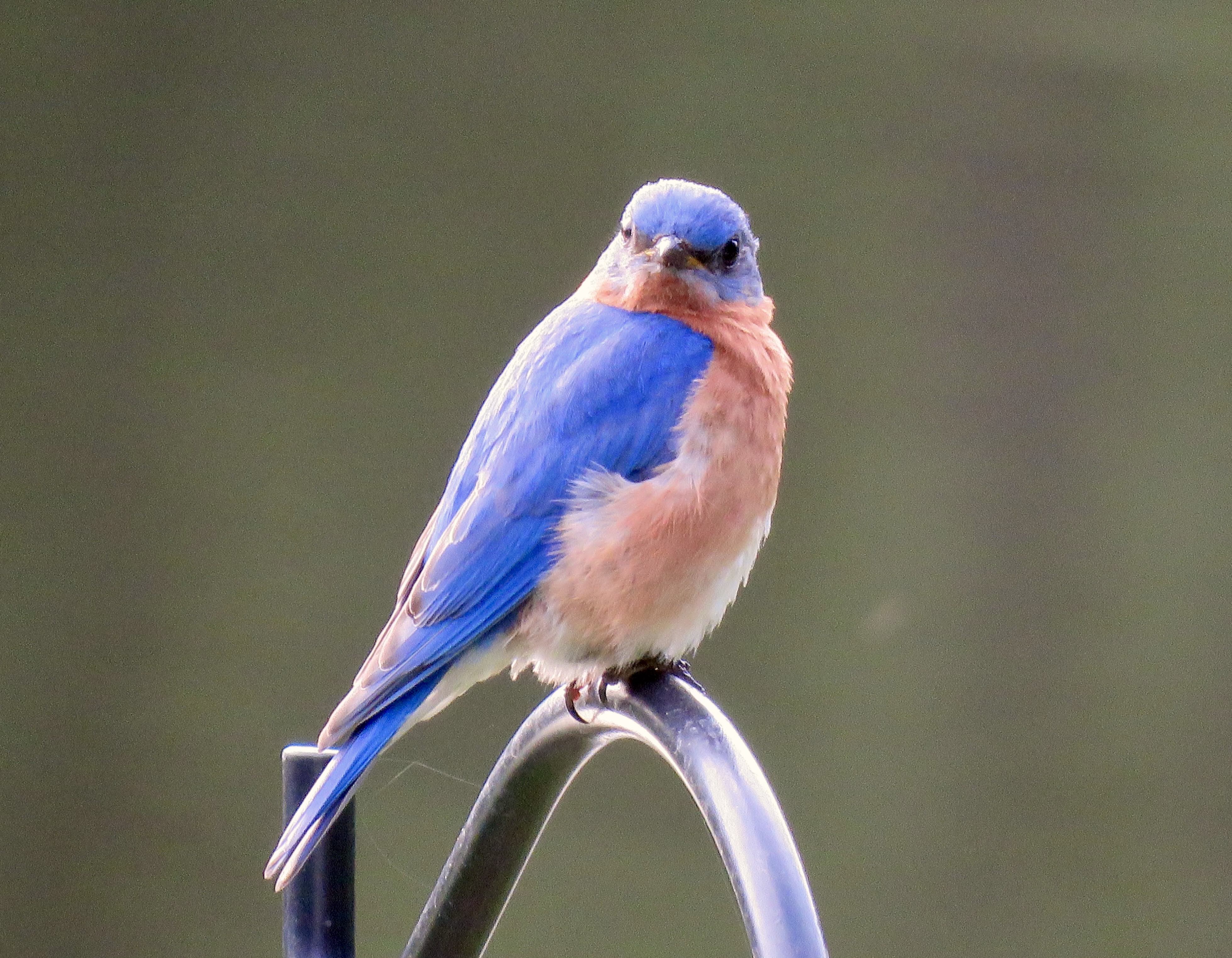
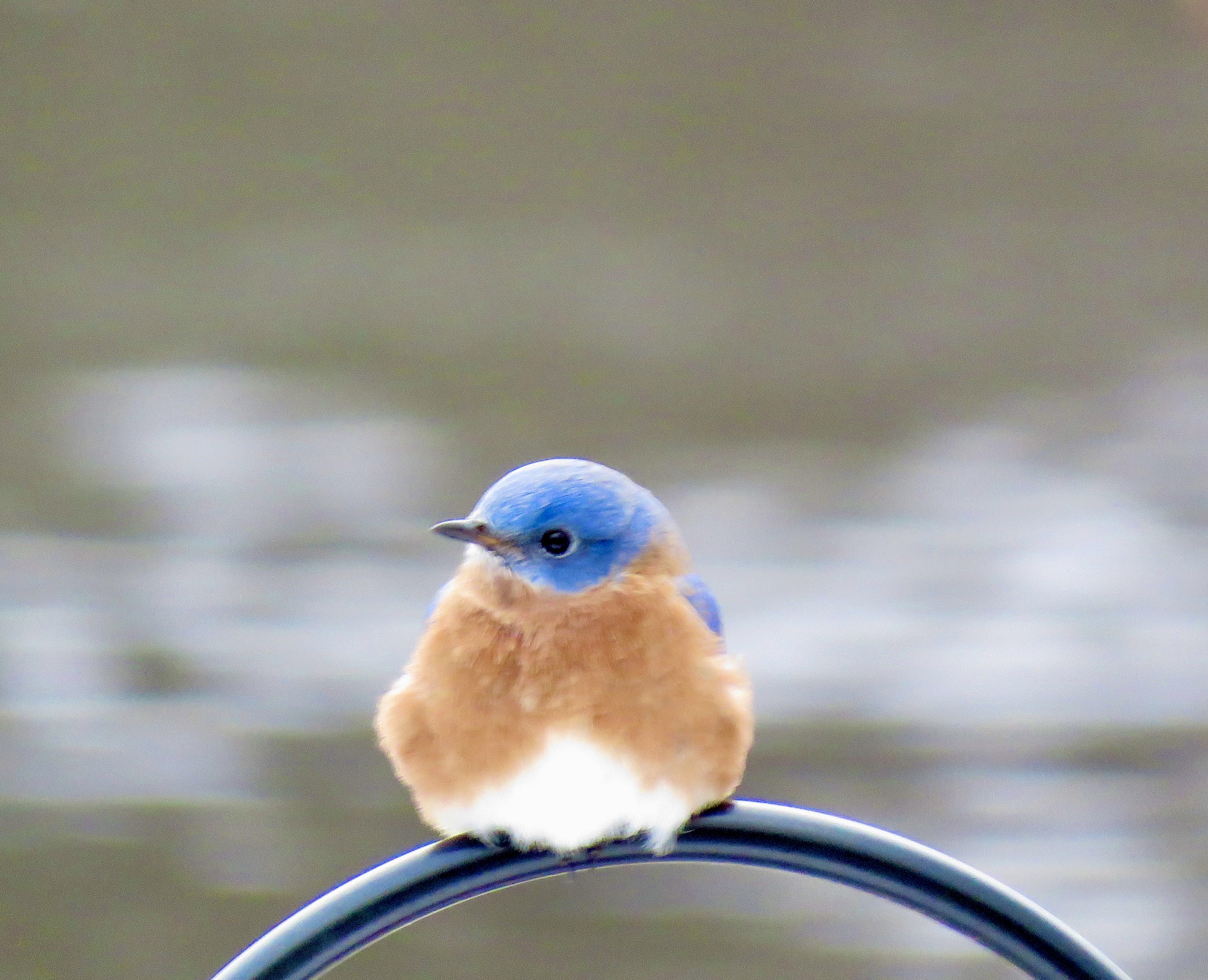
I want to watch bluebirds feed hungry young.
Eastern Bluebird – photo taken with my phone camera. 2026Eastern Bluebird Fledgling – 2025
I want to fill my suet feeder without falling in the snow and struggling to get back up. Seriously, I thought I was done for. Sigh
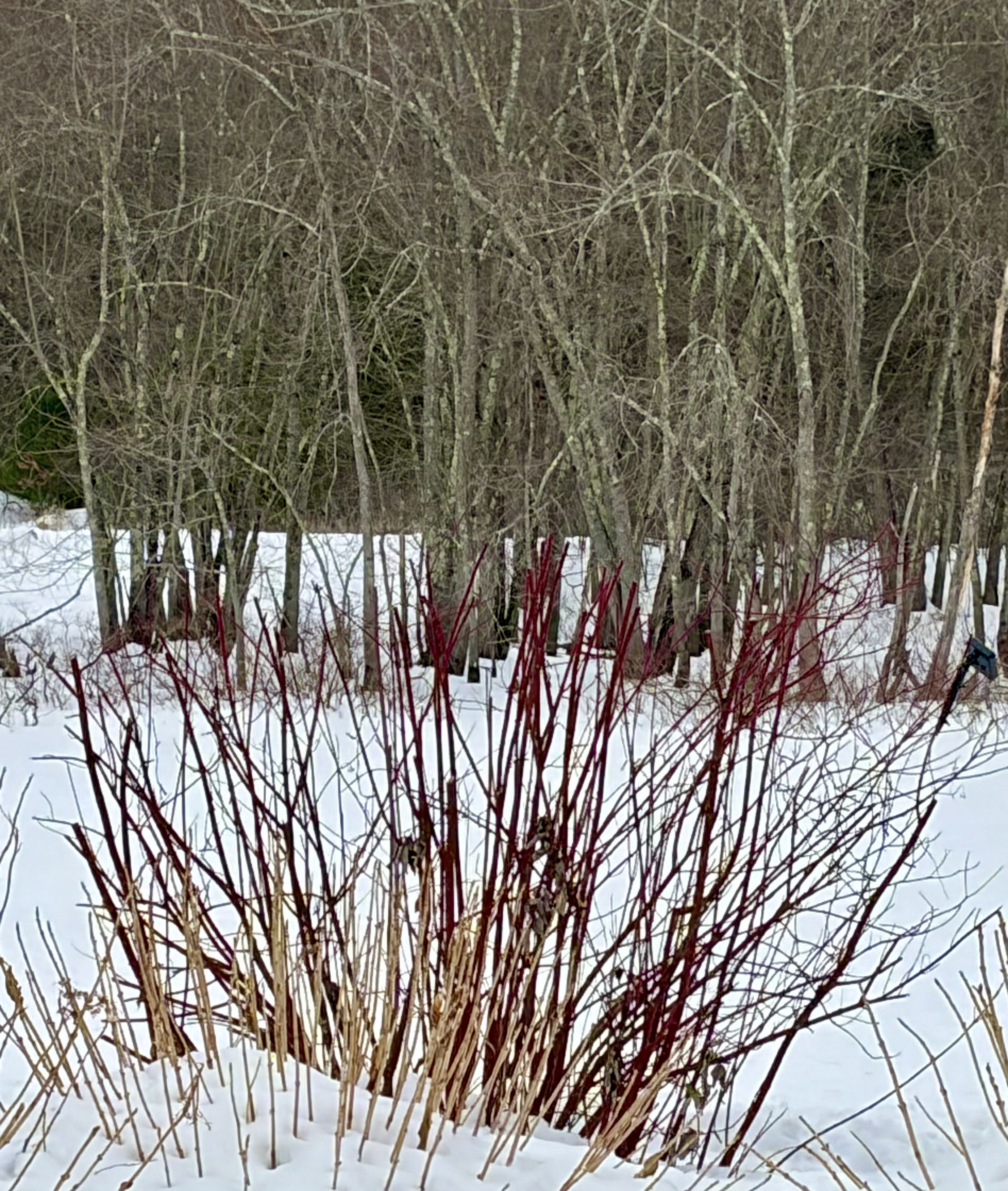
I want to see flowers on my Osier Dogwood instead of bare branches.
Osier Dogwood
I do have to admit she looks splendid against the backdrop of the snow. However, she would look stunning against the sparkling water too.
Don’t get me wrong. I love winter. I enjoy the snow and beauty of my river when she wears a dress of white.
Concord River, 2026
But, it’s time for the snow to go. After all, hope springs eternal. Right?
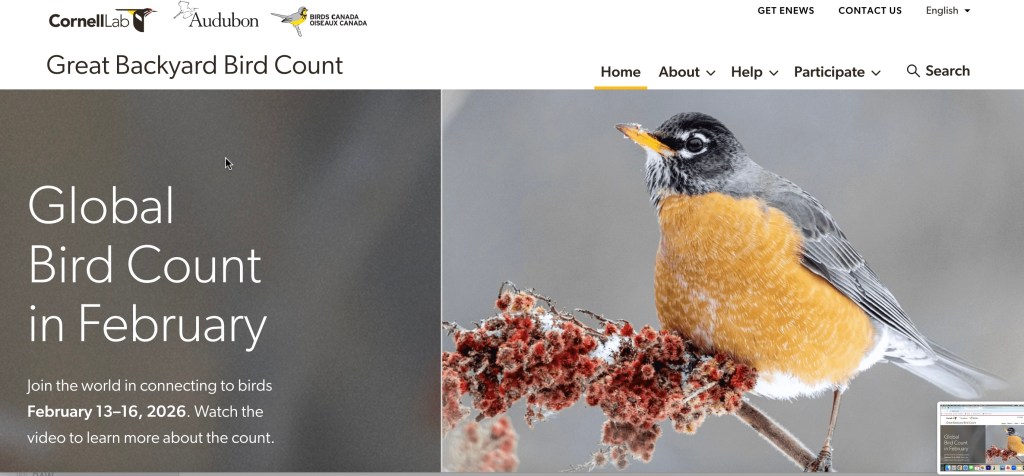
Every year in February, Cornell Labs hosts the Great Backyard Bird Count. In 2026 the participation dates are February 12-16.
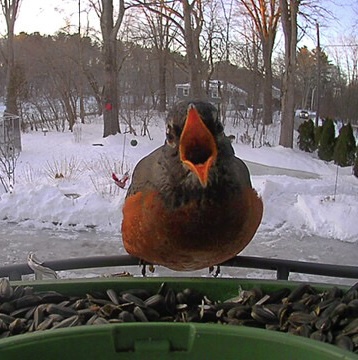
By using the data collected from folks just like you, Cornell Labs is able to understand the migration and population dynamics of birds, like the American Robin shown below.
Be counted! American Robin
Join the Thousands of bird counters counting birds this winter! It’s easy. Just sign into the Great Backyard Bird Count webside (Click on the link and technology will zip you to the website.)
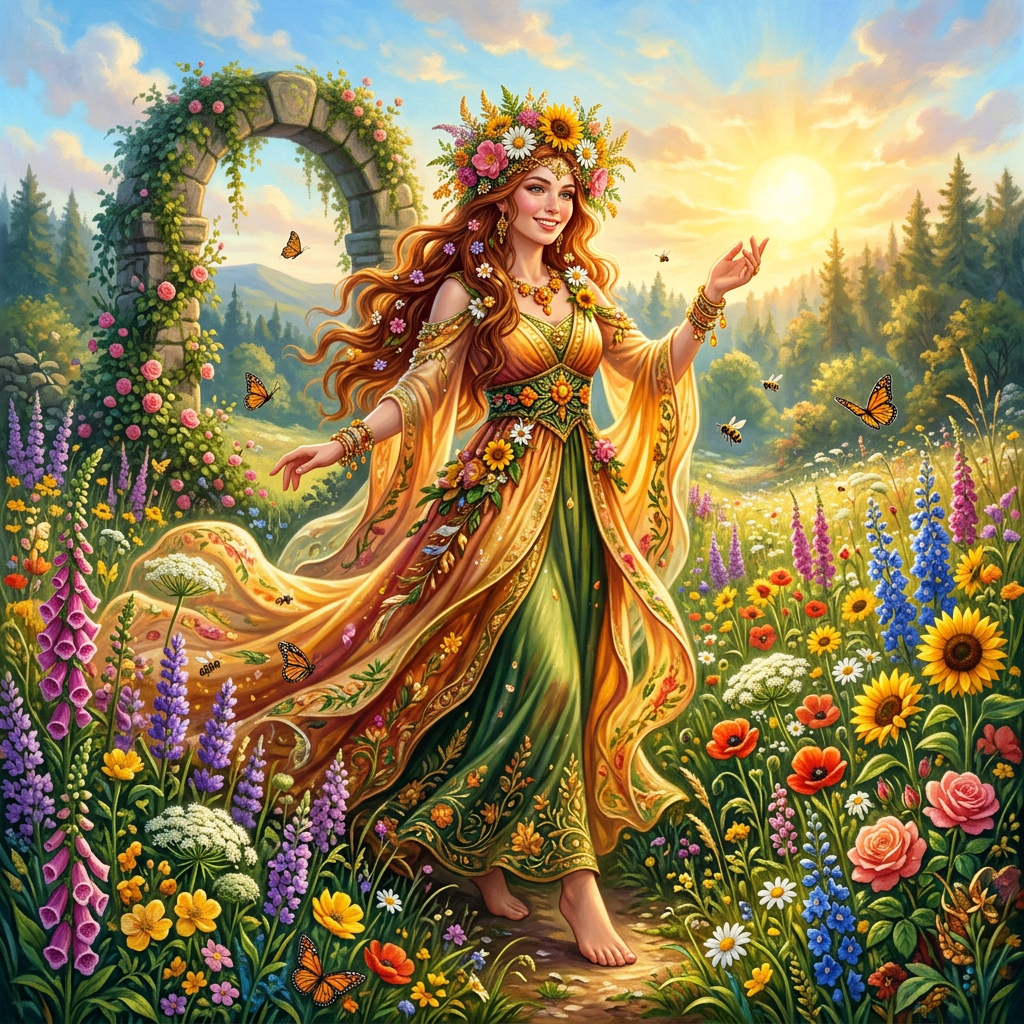
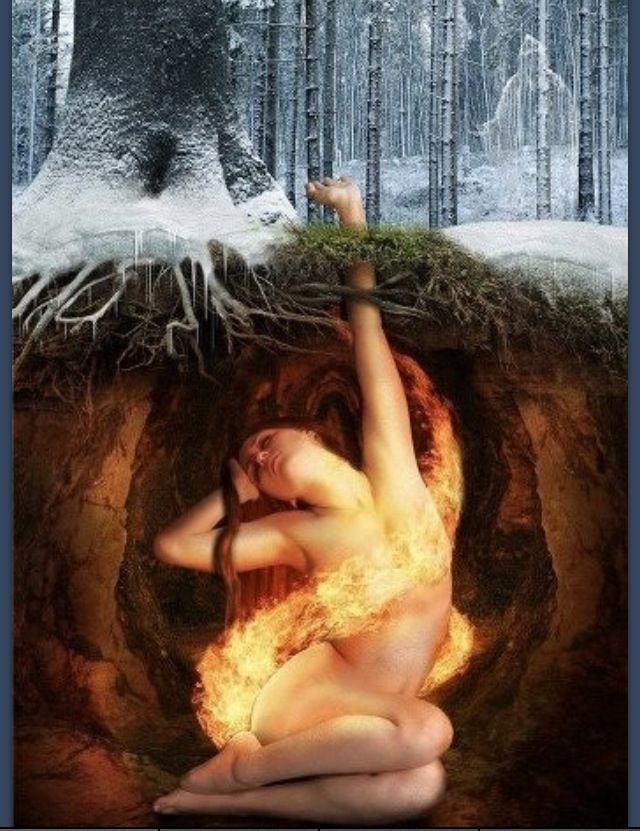
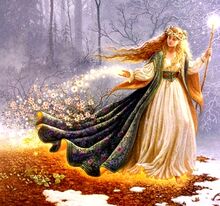
Pronounced EE-molc, Imbolc, which loosely translated means ewe’s milk or in the belly, is the celebration of light and the return of life, representing the halfway point between the winter solstice and the spring equinox. For those of us following the pagan path, Imbolc is the first day of spring, the day the Celtic goddess Brigid (pronounced Breed) wakes from her winter slumber. For half the year she’s been living in the underworld, perhaps knitting scarves or darning socks, but her return is the transformation from the crone of winter to the maiden of spring, and the beginning of new life. Imbolc is also the time when lambs give birth and their milk starts to flow, which ties in nicely with the whole ewe’s milk translation.
Note: I’ve updated this post many times over the years; this is the latest version.
Imbolc dates back to early 10th century in the British Isles, pre-Christian Gaelic Ireland to be exact.. Back when online shopping wasn’t a thing and gardening catalogues hadn’t happened yet. All the people had to help them mark the seasons were the sun and moon, and lactating ewes.
Christians adopted Imbolc, changed the day by one, called it Candlemas, and bingo, a new saint, St. Brigid, was given to the people of the land as a replacement for the pagan goddess, Brigid. According to author Patti Wigington, “When Ireland converted to Christianity, it was hard to convince people to get rid of their old gods, so the church allowed them to worship the goddess Brigid as a saint – thus the creation of St. Brigid’s Day.” Here’s an interesting tidbit, the perpetual flame burning in most early Christian churches is likened to goddess Brigid’s fire.
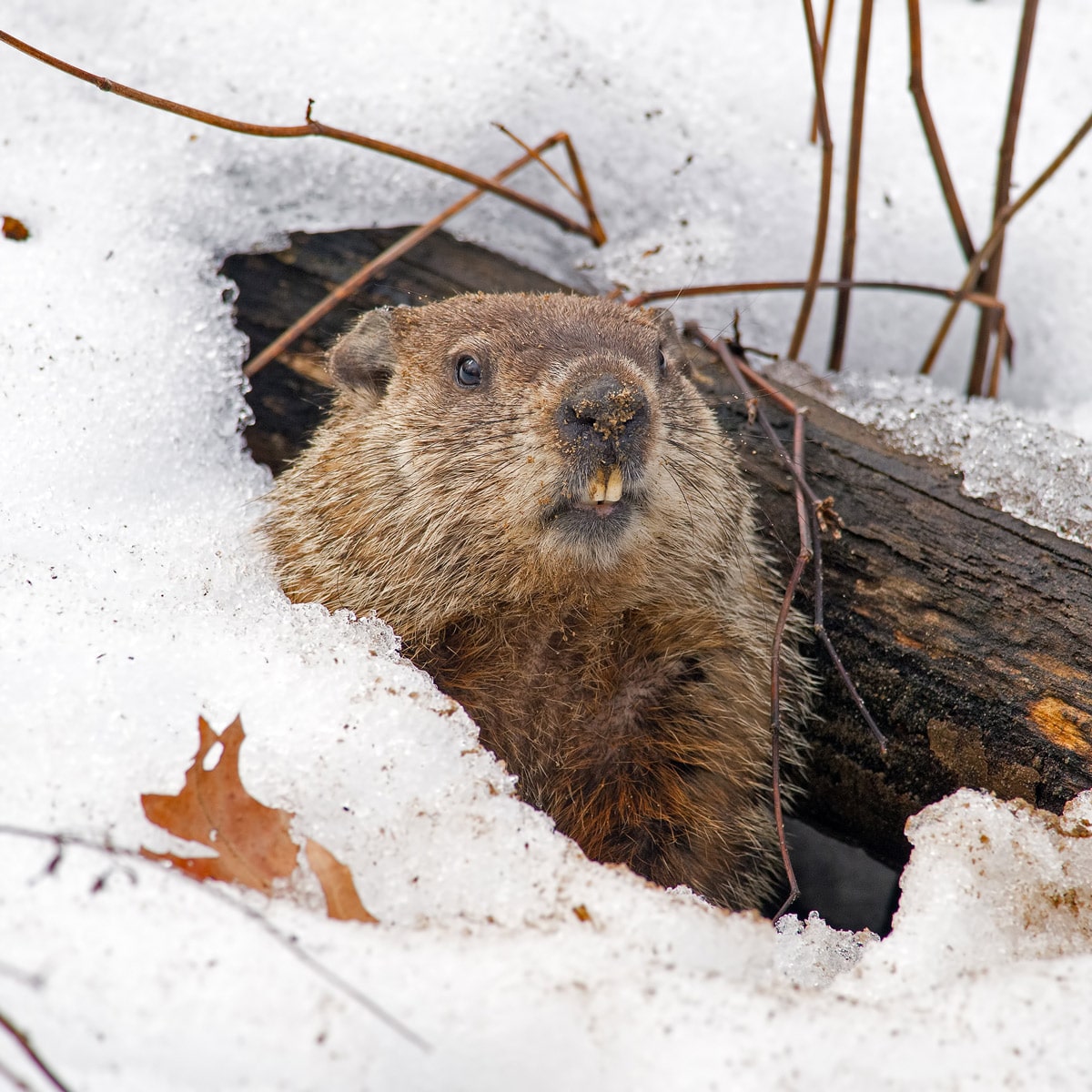
As time passed a groundhog found his way in the mix and we got Groundhog Day.
Nope not that one.
Yup, that one.
Today, Punxsutawney Phil, the groundhog weather guru, saw his shadow when he was pulled from his warm burrow and placed in the frigid morning air. ‘Six more weeks of winter,’ he snorted! The first official Groundhog Day celebration was held on February 2, 1887, in, you guessed it, Punxsutawney, Pennsylvania. Thus Phil’s name.
You don’t have to be a groundhog to honor Brigid. Light a white candle, dance in the warming rays of the sun, or sip a cup of ginger tea and look at the new plants for 2026.
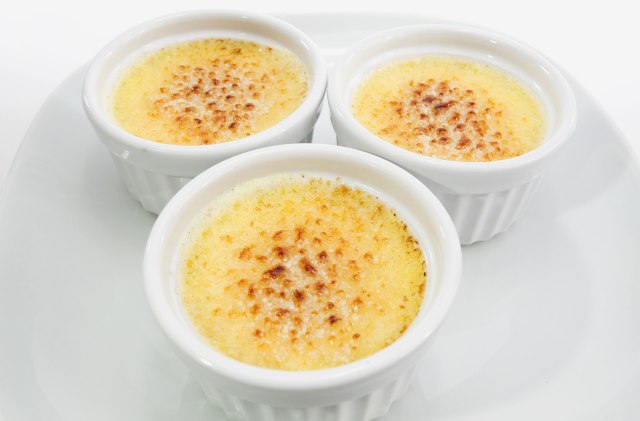
Another way to celebrate Imbolc is by making an egg and milk-based food. I’m partial to baked custard.
Baked Custard
Ingredients
4 large eggs
3 cup cold evaporated skim milk (or regular whole milk if you’re not counting Calories)
1/2 cup granulated sugar
1/2 tsp. ground nutmeg
1/2 tsp. ground cinnamon
1 tsp. vanilla extract
A pinch of salt
Directions
Preheat your oven to 350 degrees. Combine all the ingredients in the bowl of a mixer and beat for about 15 seconds, or until well mixed. Pour mixture into ramekins or custard cups. Place the ramekins into a baking dish, and fill the dish with hot water up to a depth of about ¾”. Bake the custards for one hour. Remove from oven and allow to cool. Dust with nutmeg before serving.
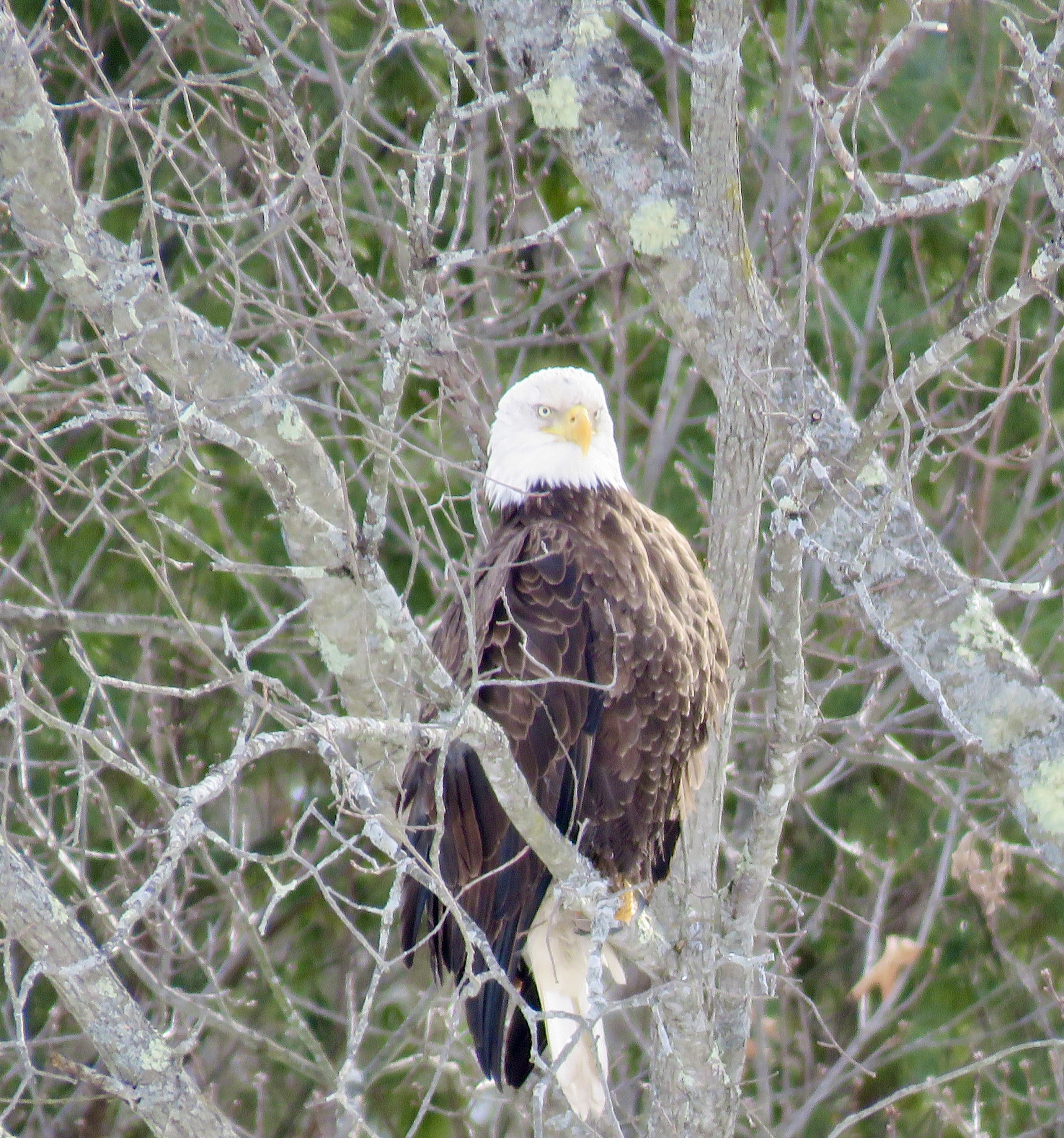
Those of us in the Northern Hemisphere who follow the Wheel of the Seasons don’t need a groundhog (though they are very cute) to know the sun is returning. A few buds might be seen on the trees and, if there wasn’t a foot of snow on the ground, one might see some crocus flowers. Instead, I’m treated to a hungry American Bald Eagle …
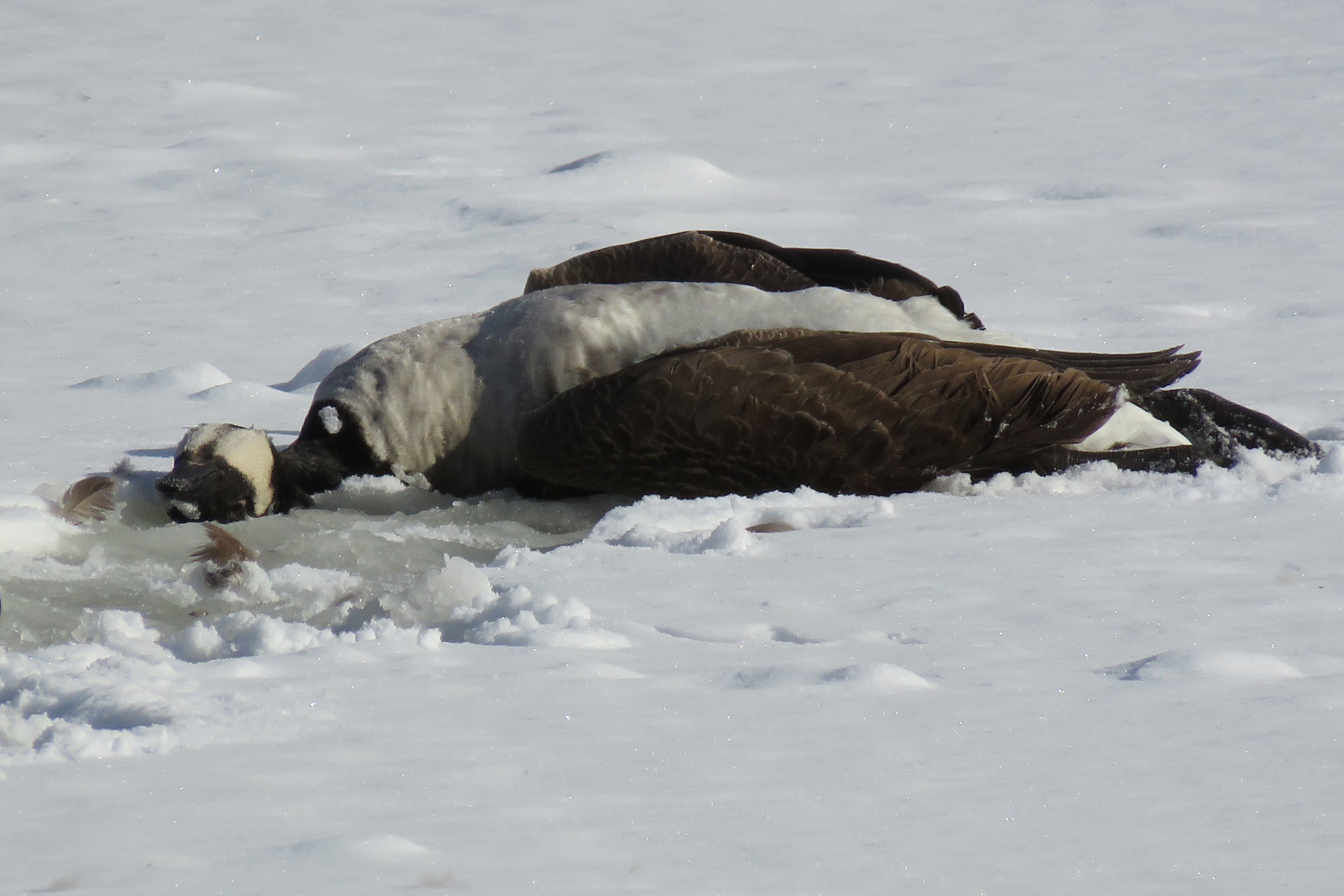
… and the remains of a Canadian Goose.
Remains of a Canadian Goose.
May the seeds of spring grow in your heart and may you have food for your belly and warmth for your home. Blessed Imbolc to you.