
Pronounced EE-molc, Imbolc, which loosely translated means ewe’s milk or in the belly, is the celebration of light and the return of life, representing the halfway point between the winter solstice and the spring equinox. For those of us following the pagan path, Imbolc is the first day of spring, the day the Celtic goddess Brigid (pronounced Breed) wakes from her winter slumber. For half the year she’s been living in the underworld, perhaps knitting scarves or darning socks, but her return is the transformation from the crone of winter to the maiden of spring, and the beginning of new life. Imbolc is also the time when lambs give birth and their milk starts to flow, which ties in nicely with the whole ewe’s milk translation.
Note: I’ve updated this post many times over the years; this is the latest version.
Imbolc dates back to early 10th century in the British Isles, pre-Christian Gaelic Ireland to be exact.. Back when online shopping wasn’t a thing and gardening catalogues hadn’t happened yet. All the people had to help them mark the seasons were the sun and moon, and lactating ewes.
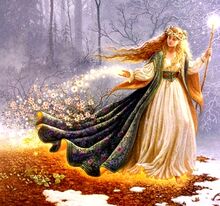
Christians adopted Imbolc, changed the day by one, called it Candlemas, and bingo, a new saint, St. Brigid, was given to the people of the land as a replacement for the pagan goddess, Brigid. According to author Patti Wigington, “When Ireland converted to Christianity, it was hard to convince people to get rid of their old gods, so the church allowed them to worship the goddess Brigid as a saint – thus the creation of St. Brigid’s Day.” Here’s an interesting tidbit, the perpetual flame burning in most early Christian churches is likened to goddess Brigid’s fire.
As time passed a groundhog found his way in the mix and we got Groundhog Day.

Nope not that one.
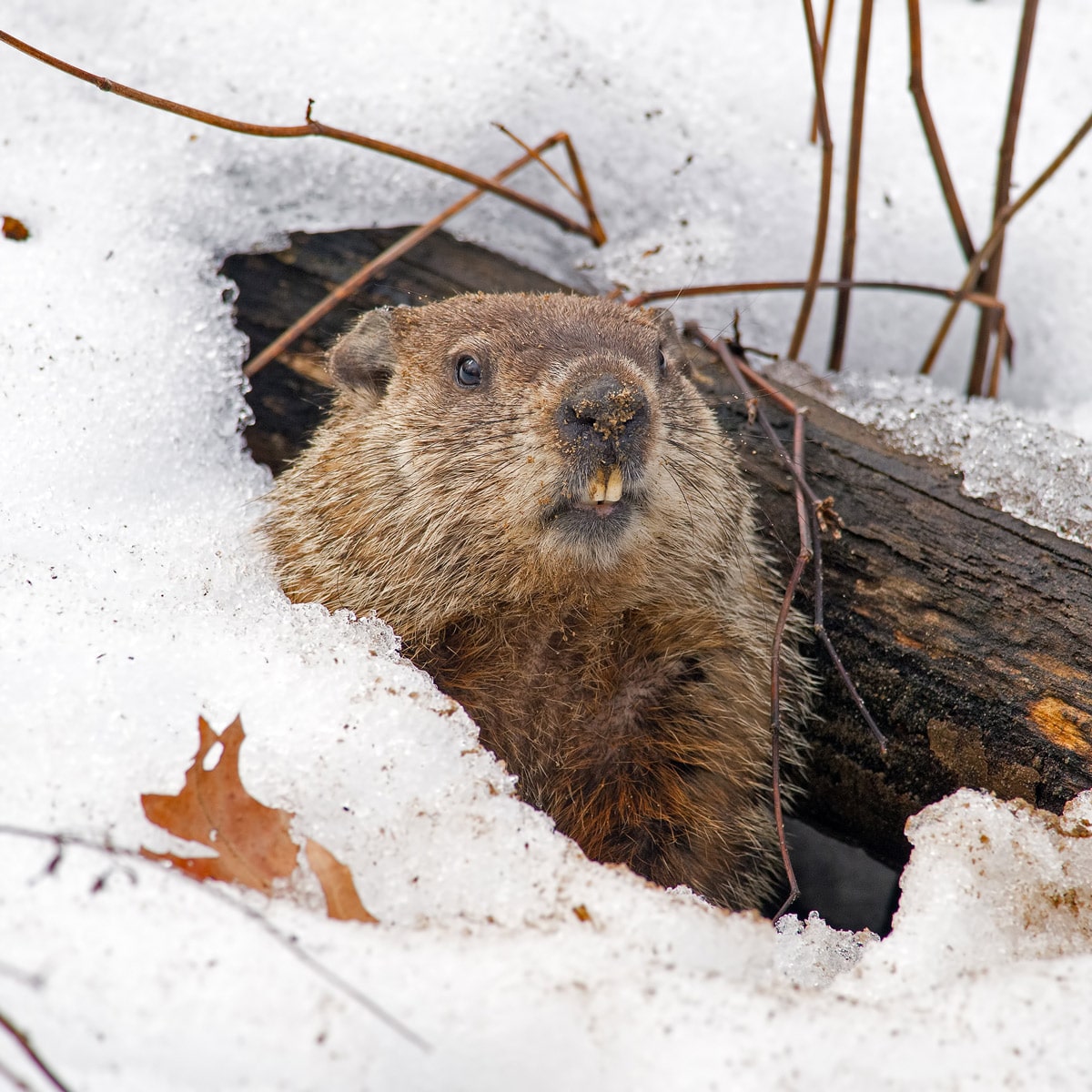
Today, Punxsutawney Phil, the groundhog weather guru, saw his shadow when he was pulled from his warm burrow and placed in the frigid morning air. ‘Six more weeks of winter,’ he snorted! The first official Groundhog Day celebration was held on February 2, 1887, in, you guessed it, Punxsutawney, Pennsylvania. Thus Phil’s name.
You don’t have to be a groundhog to honor Brigid. Light a white candle, dance in the warming rays of the sun, or sip a cup of ginger tea and look at the new plants for 2026.

Another way to celebrate Imbolc is by making an egg and milk-based food. I’m partial to baked custard.

Baked Custard
Ingredients
- 4 large eggs
- 3 cup cold evaporated skim milk (or regular whole milk if you’re not counting Calories)
- 1/2 cup granulated sugar
- 1/2 tsp. ground nutmeg
- 1/2 tsp. ground cinnamon
- 1 tsp. vanilla extract
- A pinch of salt
Directions
Preheat your oven to 350 degrees. Combine all the ingredients in the bowl of a mixer and beat for about 15 seconds, or until well mixed. Pour mixture into ramekins or custard cups. Place the ramekins into a baking dish, and fill the dish with hot water up to a depth of about ¾”. Bake the custards for one hour. Remove from oven and allow to cool. Dust with nutmeg before serving.
Those of us in the Northern Hemisphere who follow the Wheel of the Seasons don’t need a groundhog (though they are very cute) to know the sun is returning. A few buds might be seen on the trees and, if there wasn’t a foot of snow on the ground, one might see some crocus flowers. Instead, I’m treated to a hungry American Bald Eagle …

… and the remains of a Canadian Goose.

May the seeds of spring grow in your heart and may you have food for your belly and warmth for your home. Blessed Imbolc to you.
Blessed be :]
Mi manchi, mia amata immortale.