
I own two bluebird nest boxes.
One is a cozy, cottage style box with a lovely blue roof and a squirrel guard over the front door.
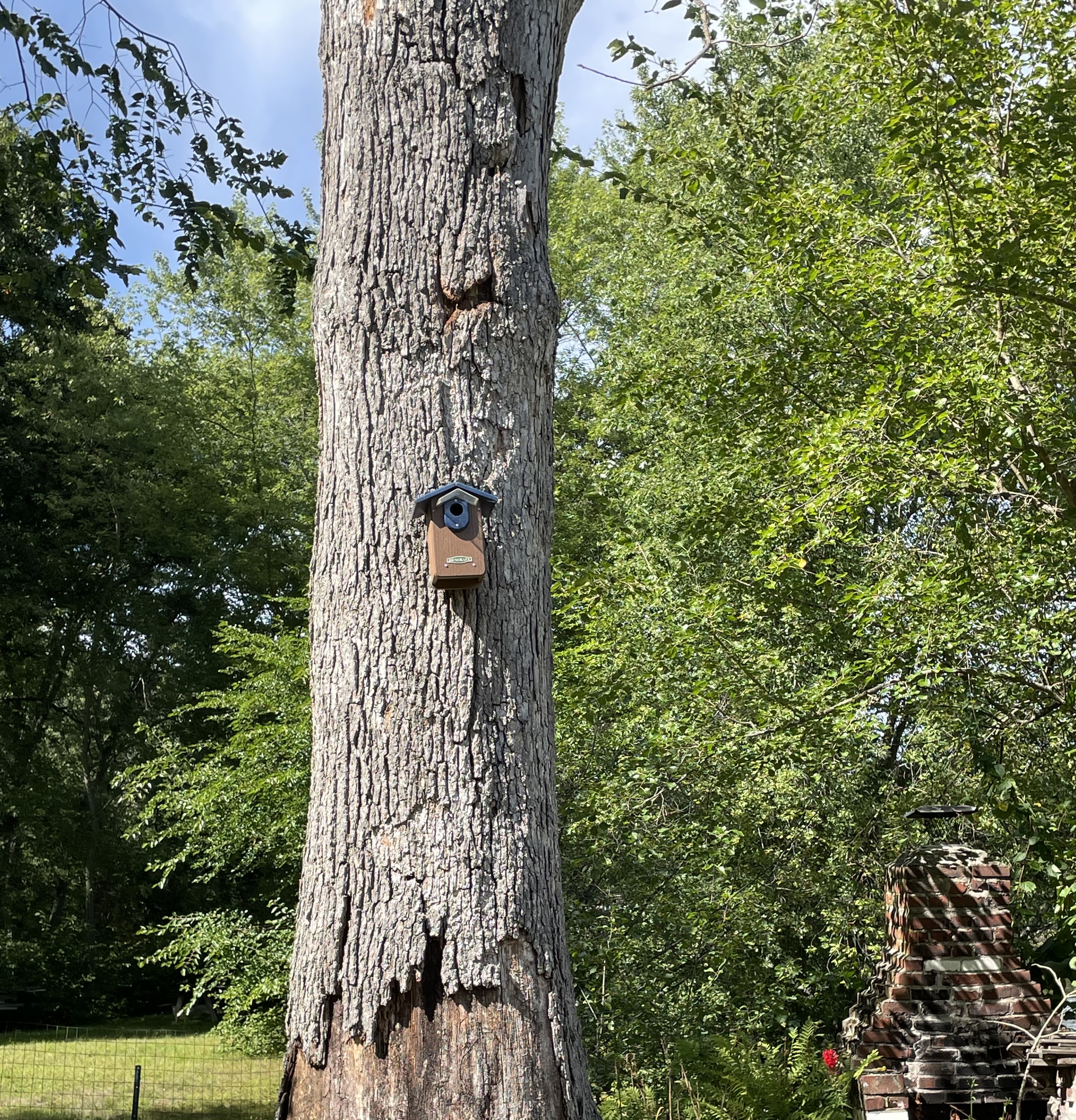
The second nest box is a condo-style dwelling. A wonderful place for a pair of bluebirds to call home.

Well a pair of Eastern bluebirds were shopping around for someplace to raise their second brood of the season. Yes, bluebirds lay two broods a season.
Wouldn’t you know, they snubbed their beaks at both houses and settled on a hole in my oak slag.
Home Sweet Hole
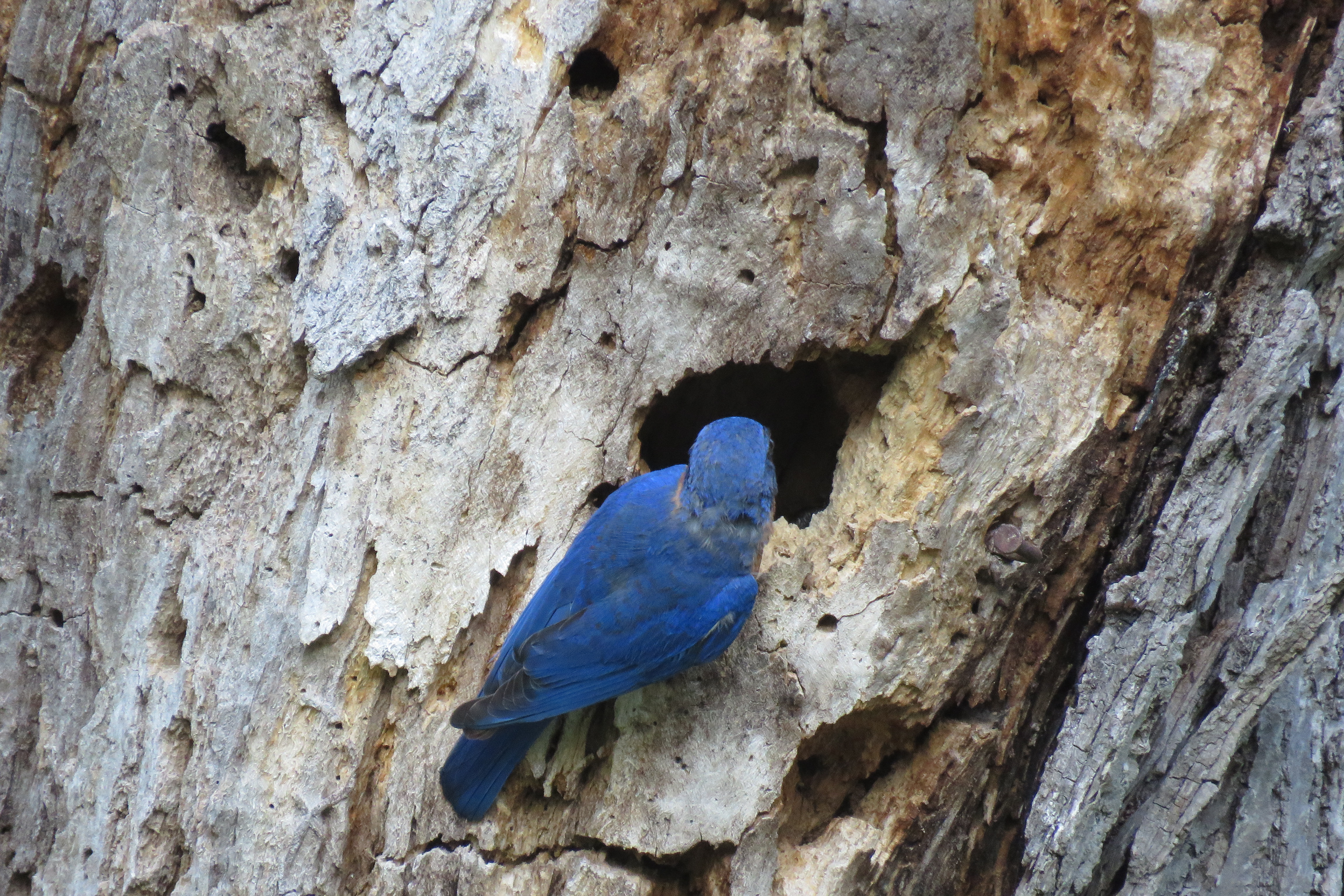

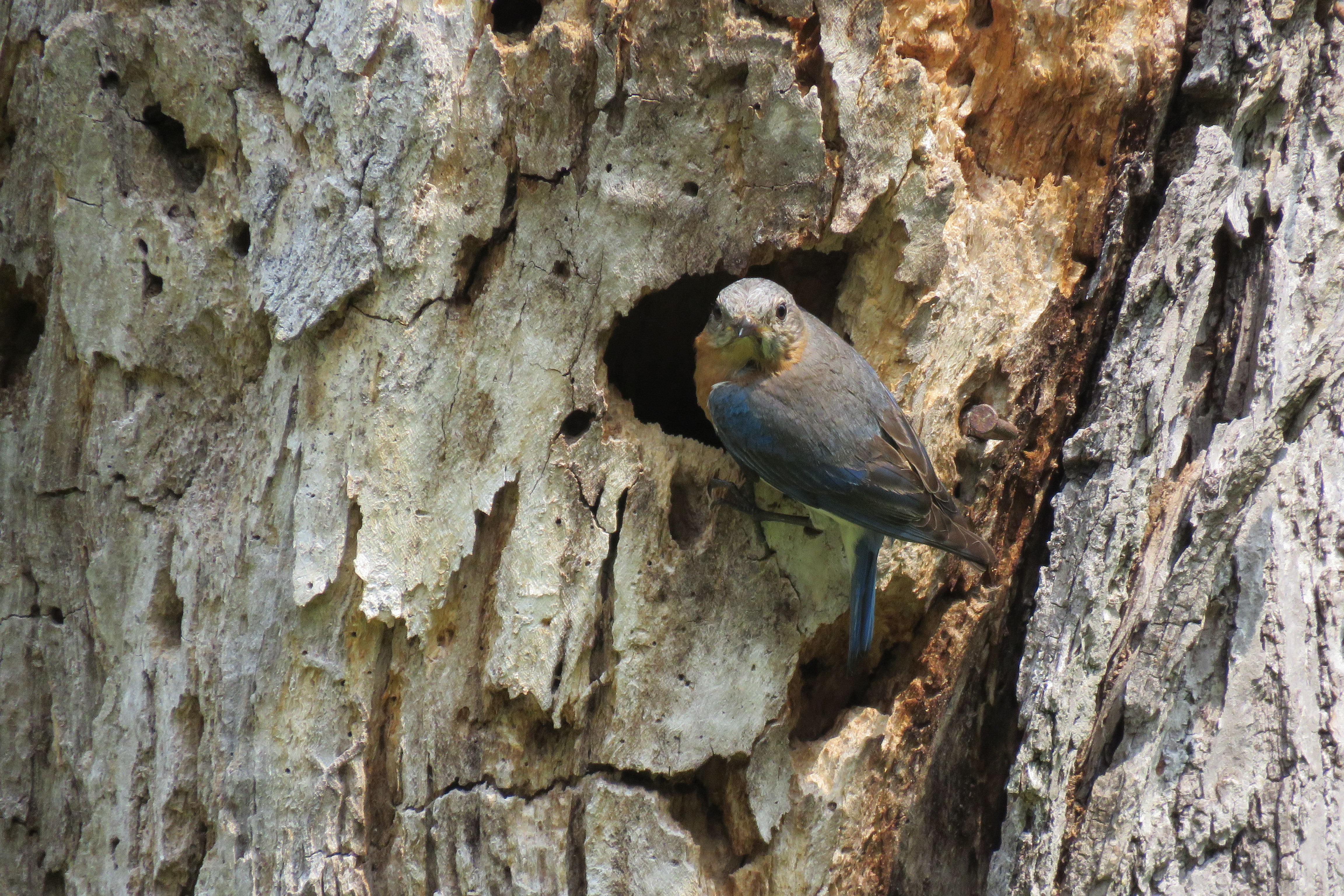
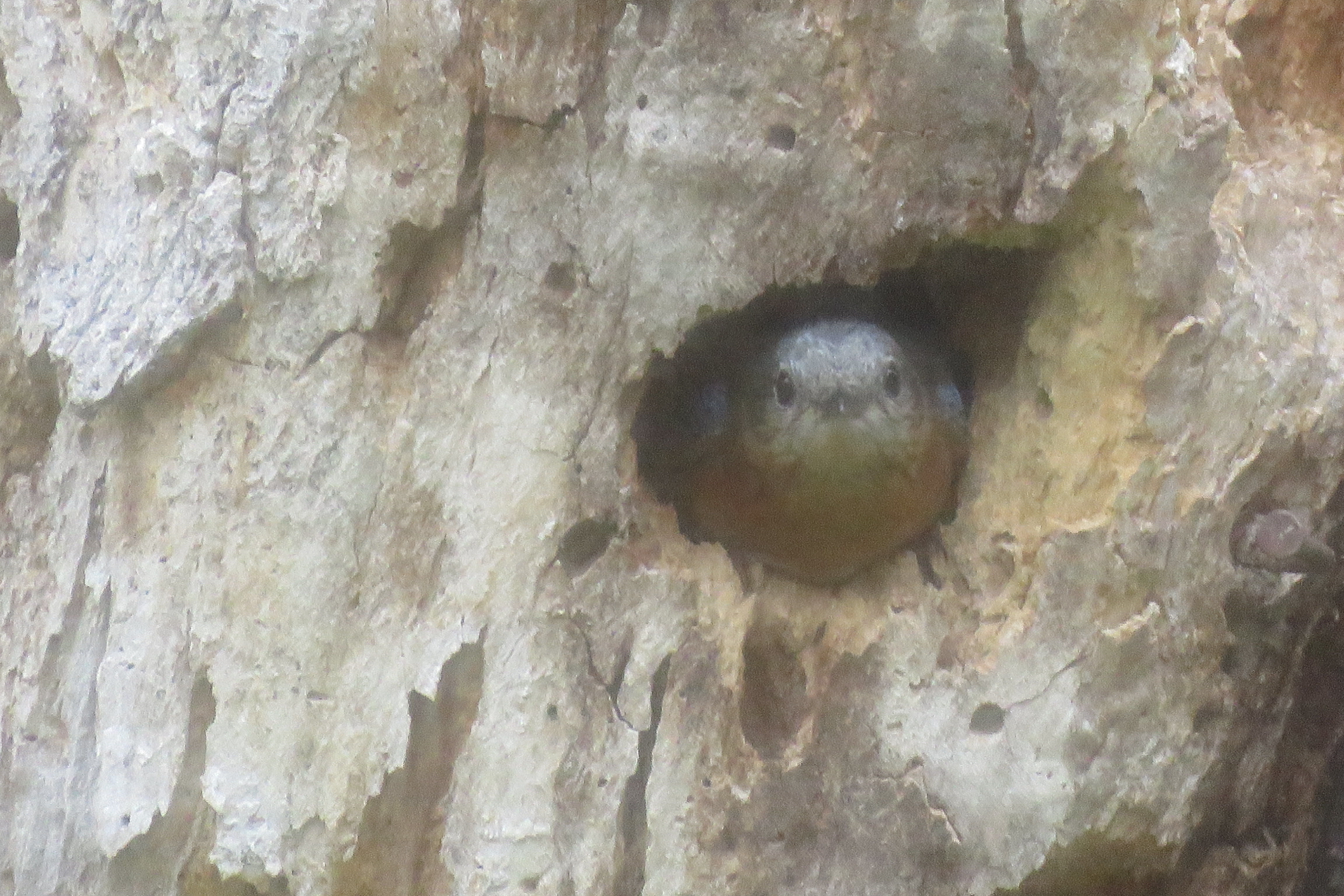
Side note: Slags are a great addition to any property dedicated to wildlife.

Even ducks!
But seriously, there are two expensive nest boxes just waiting for a family of bluebirds. Why did they pick a dead tree?
Sigh.
Okay, moving on.
Sooooo, the bluebirds decided to move into the slag. There was round hole, perfect for an Eastern bluebird and, thankfully, facing my back deck and camera. Yay!
Step one: build the nest. This activity takes four to five days and is the sole responsibility of the mama bird.

Daddy watches mama, offering critical comments like most males would do.

After the nest is built comes Step Two: egg laying. Mama lays one egg per day.

No, I didn’t take this picture, but mama bluebird did lay three eggs.
Step three: the incubation period, which takes about 12 to 14 days. The female is the only one to sit on the eggs. Daddy’s job is to bring her food.

Once the eggs hatch both parents are busy with food runs and nest cleaning. The removal of fecal sacs produced by the nestlings is vital to keeping a sanitary home and avoiding production of a scent that will attract predators. The parent birds carry the fecal sacs away from the nest and drop them on newly washed cars.

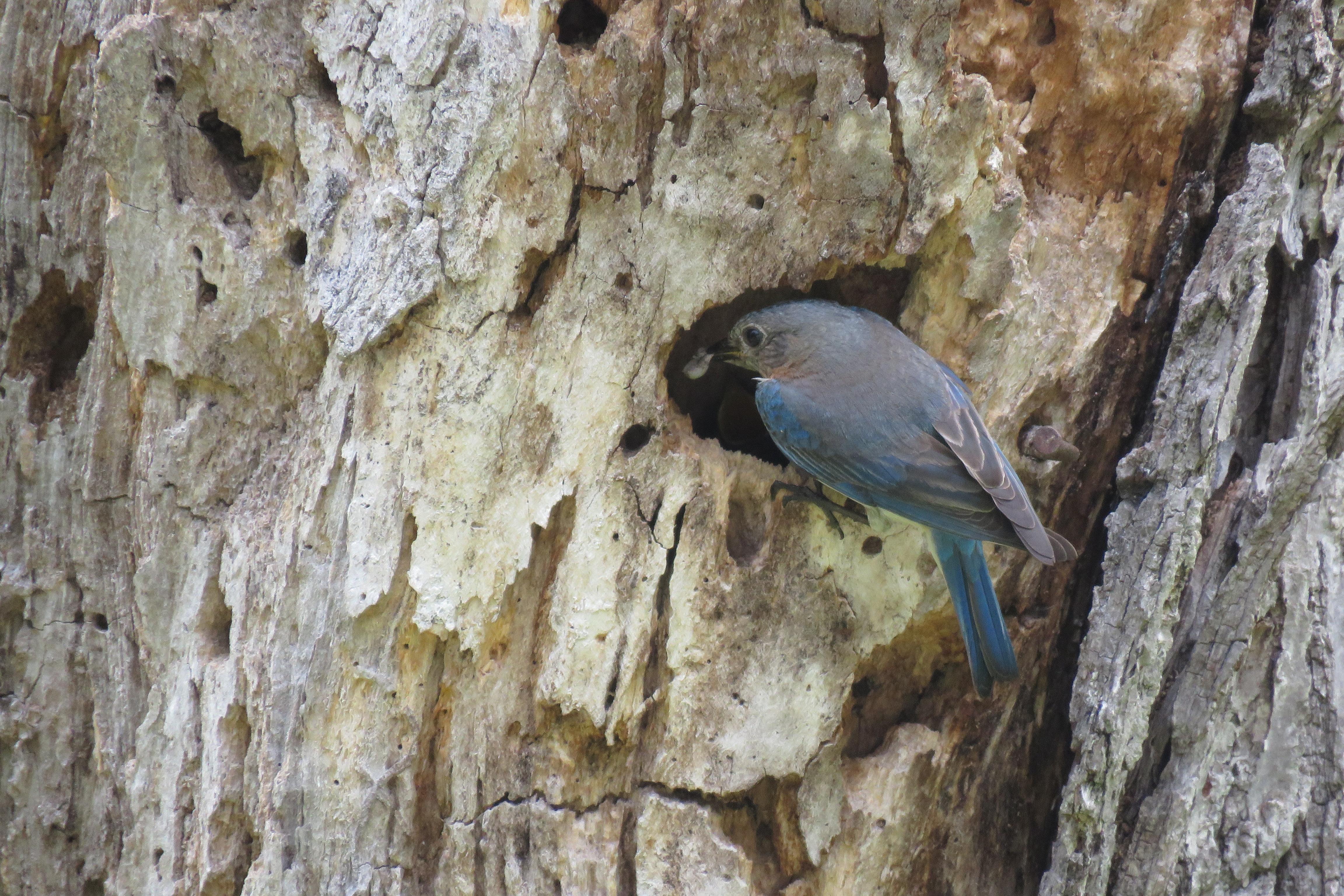
A nestling eats six to 10 times a day and when you have three crops (mouths) to fill its a full-time job.


As the nestlings grow, they are hungry little buggers and the parents work doubletime to keep them fed.
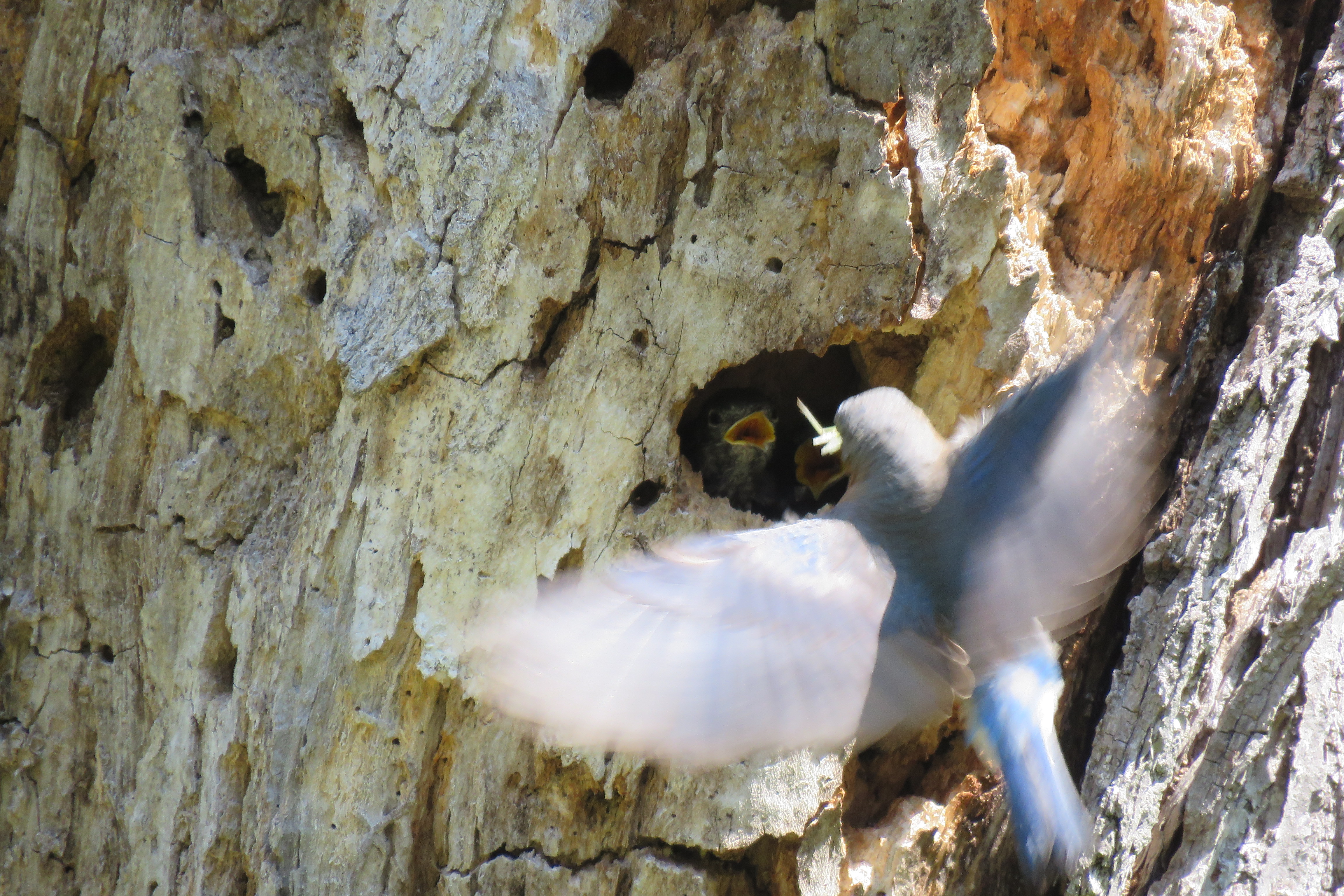

The nestlings grow into fledglings after about 16 days. What’s the difference between a nestling and fledging, you ask? Nestlings are usually naked or have sparce, downy feathers and relay on Mom and Dad for food and warmth. They don’t move around a lot, choosing to lay low in the nest and wait for food.
A fledgling has defined feathers and will ultimately leave the nest, forcing the parents to chase it as it hops and flutters on the ground.
Many ornithologists consider any young bird still in the nest a nestling while others call active young that possess feathers fledglings; even if they haven’t left the nest. I subscribe to the second group.
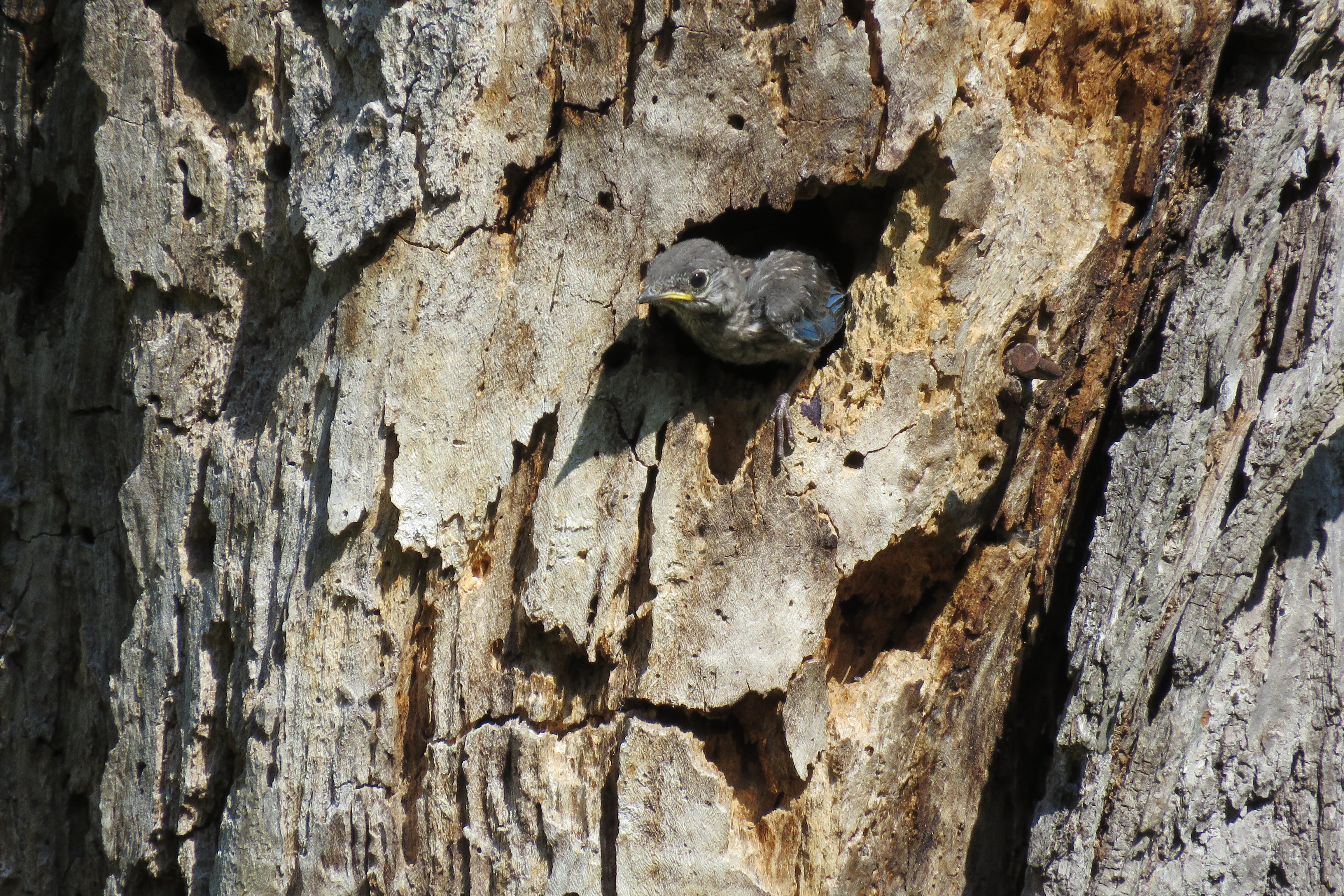
TaDa! My Eastern bluebird fledglings.
Or nestlings.
Whatever.
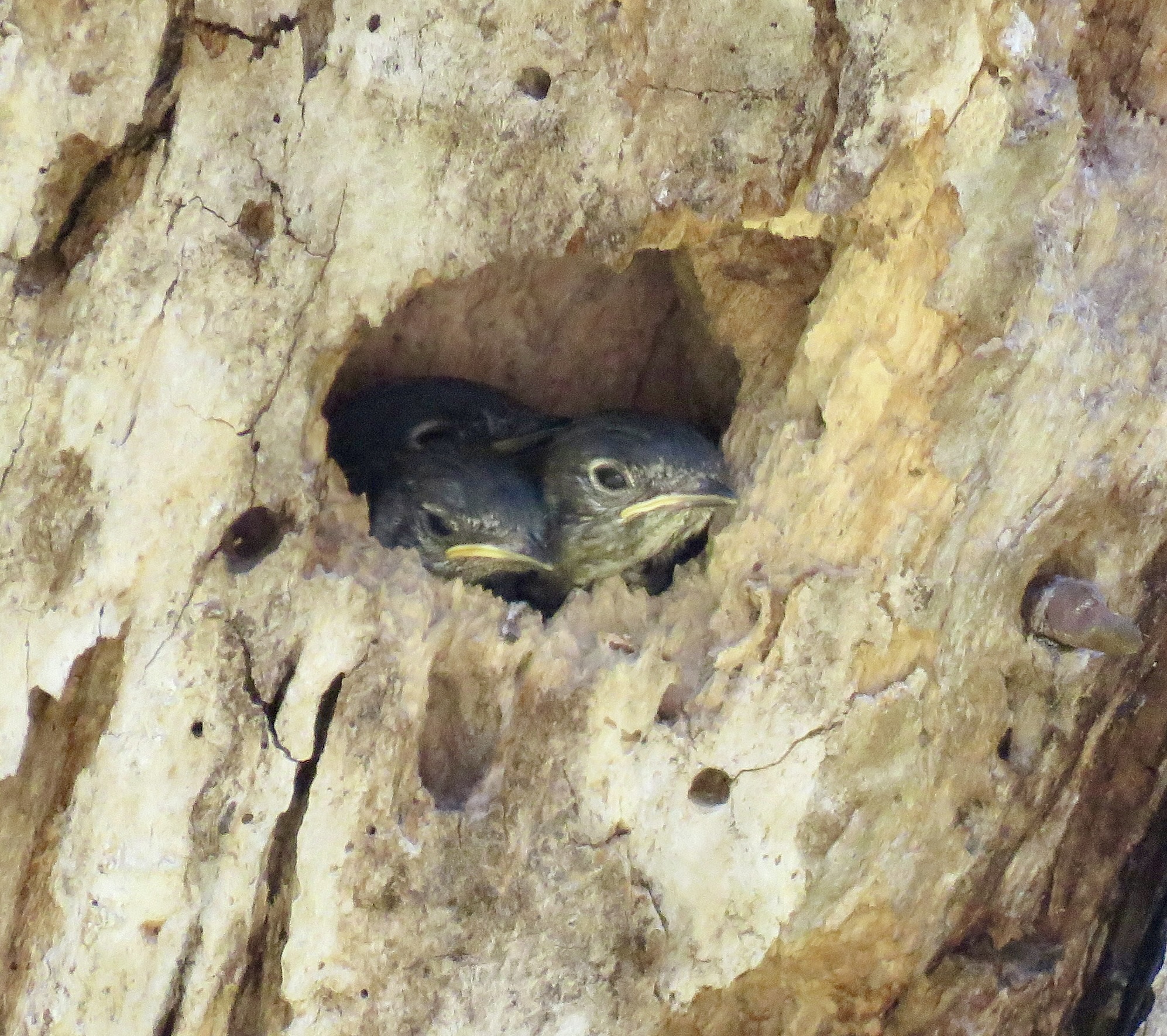
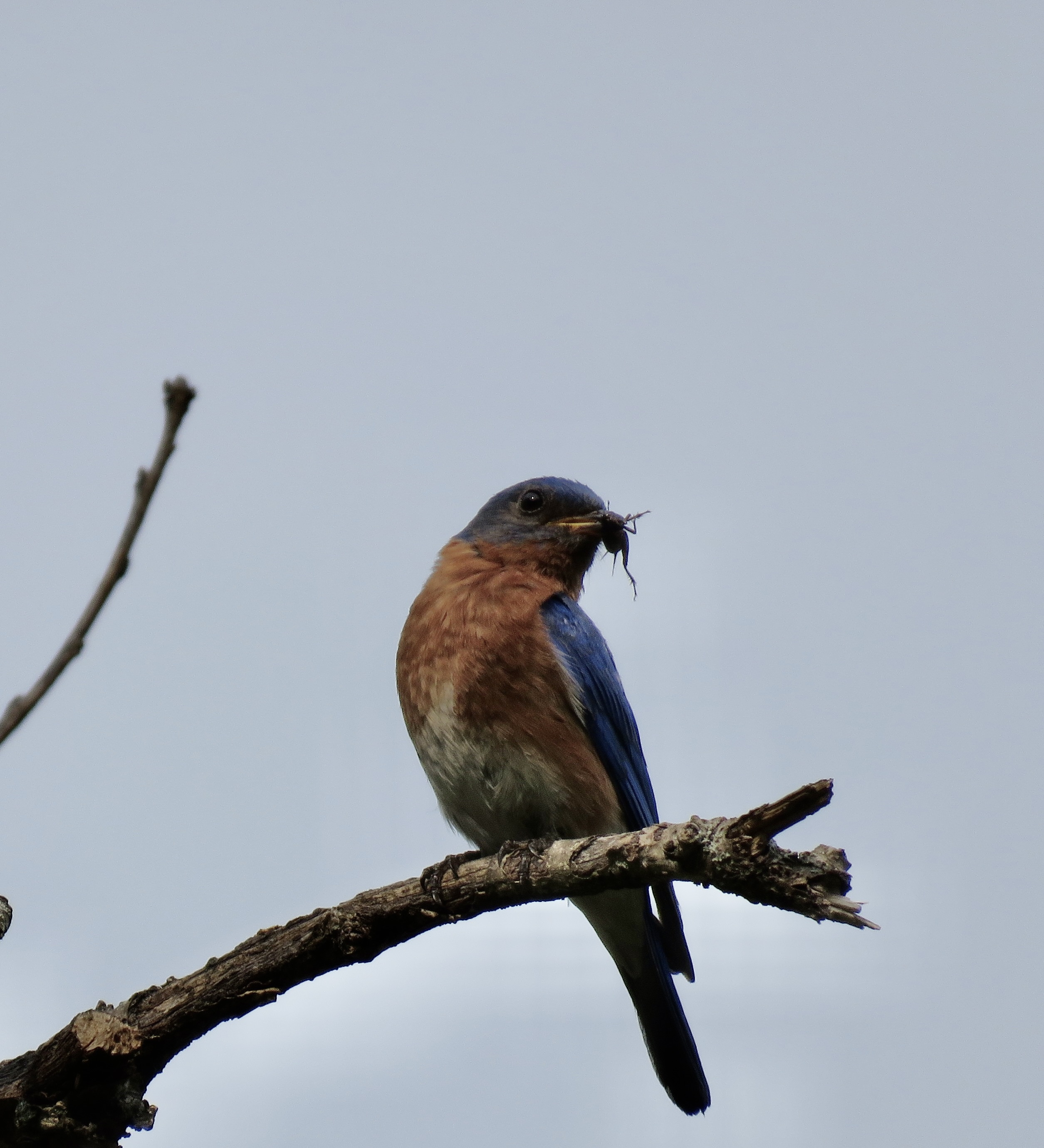
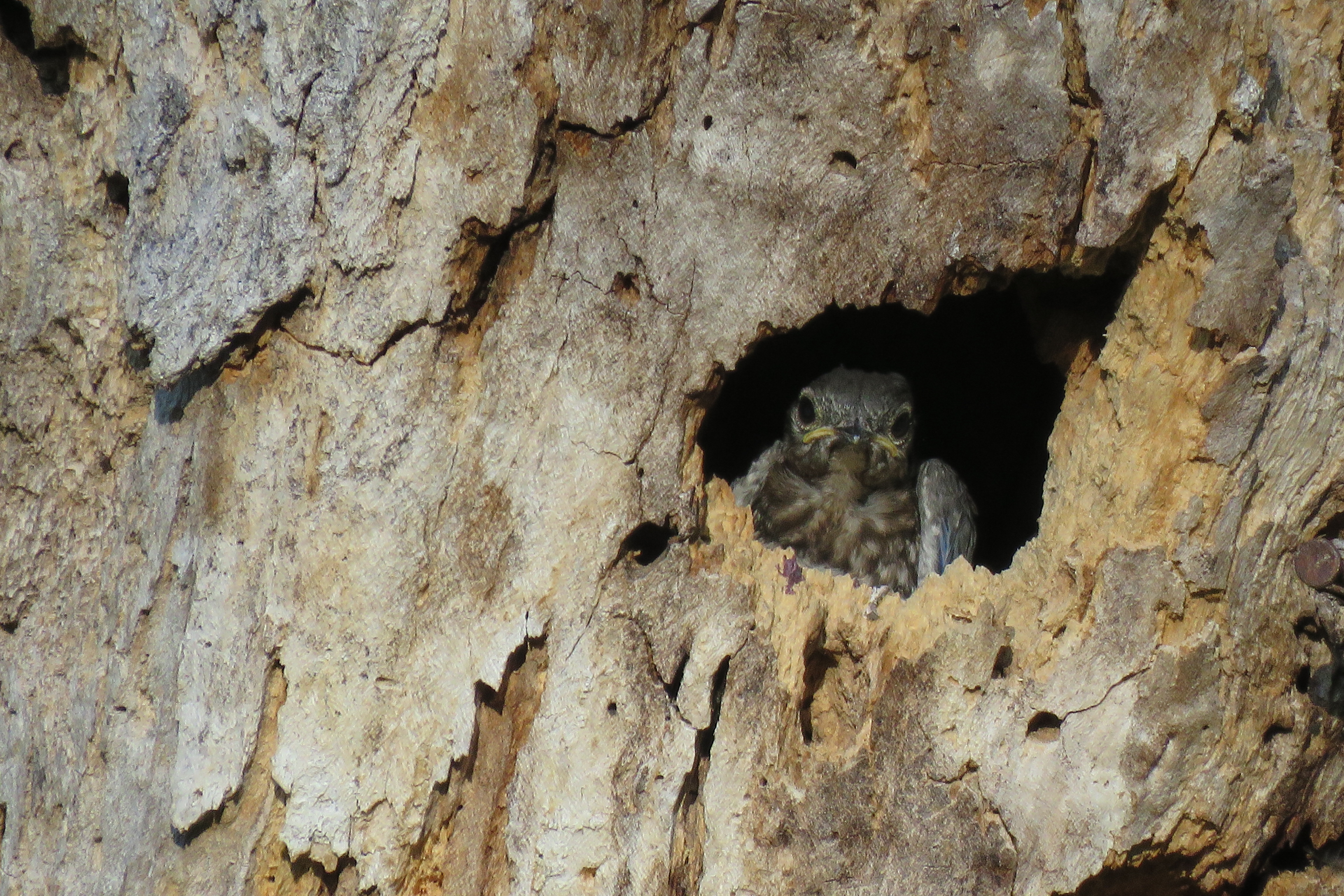
And this is the part where Mom and Dad work their tail feathers off. Three hungry fledglings all clamoring for food. Insects, berries, worms — the fledglings love a variety of tasty fare.

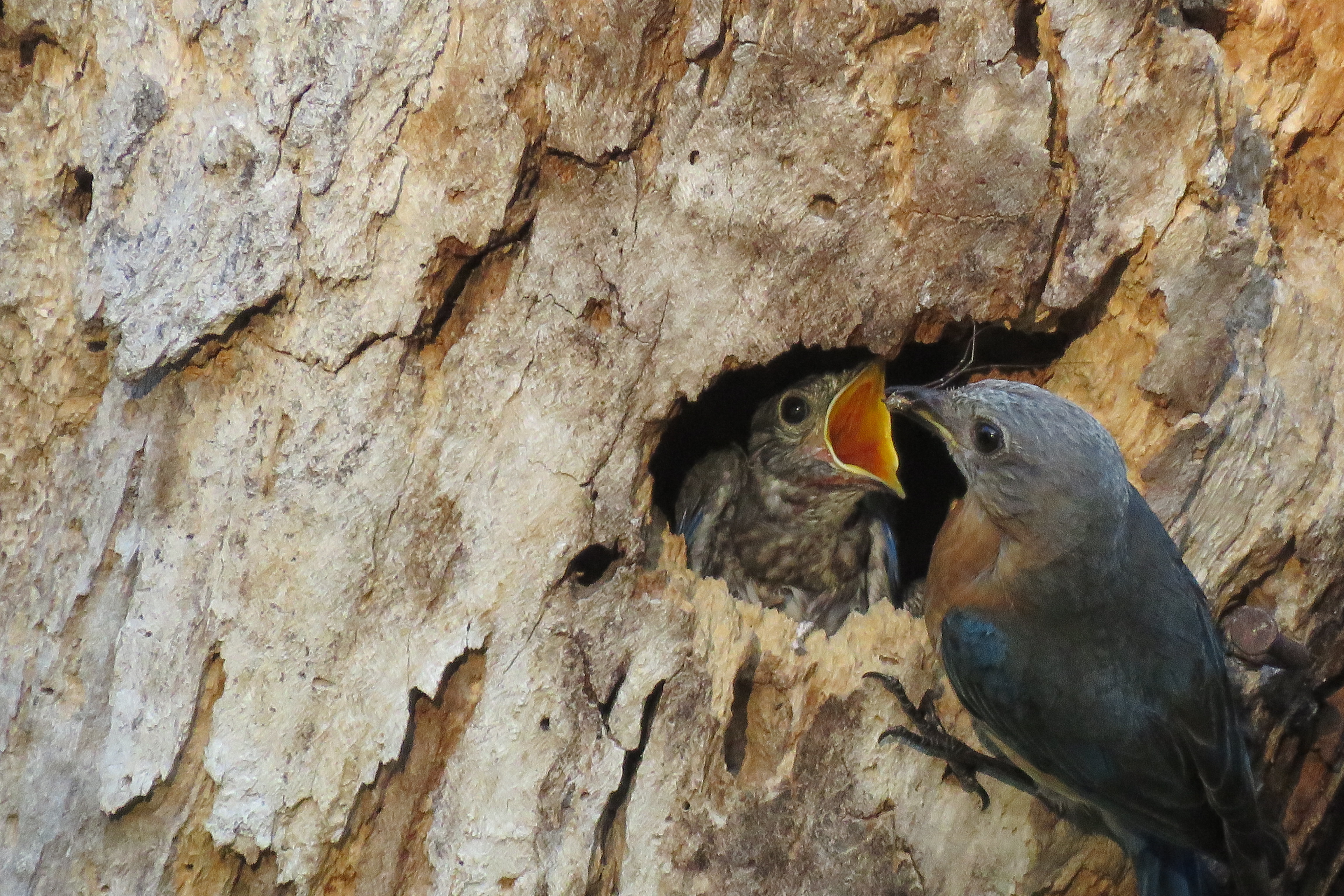


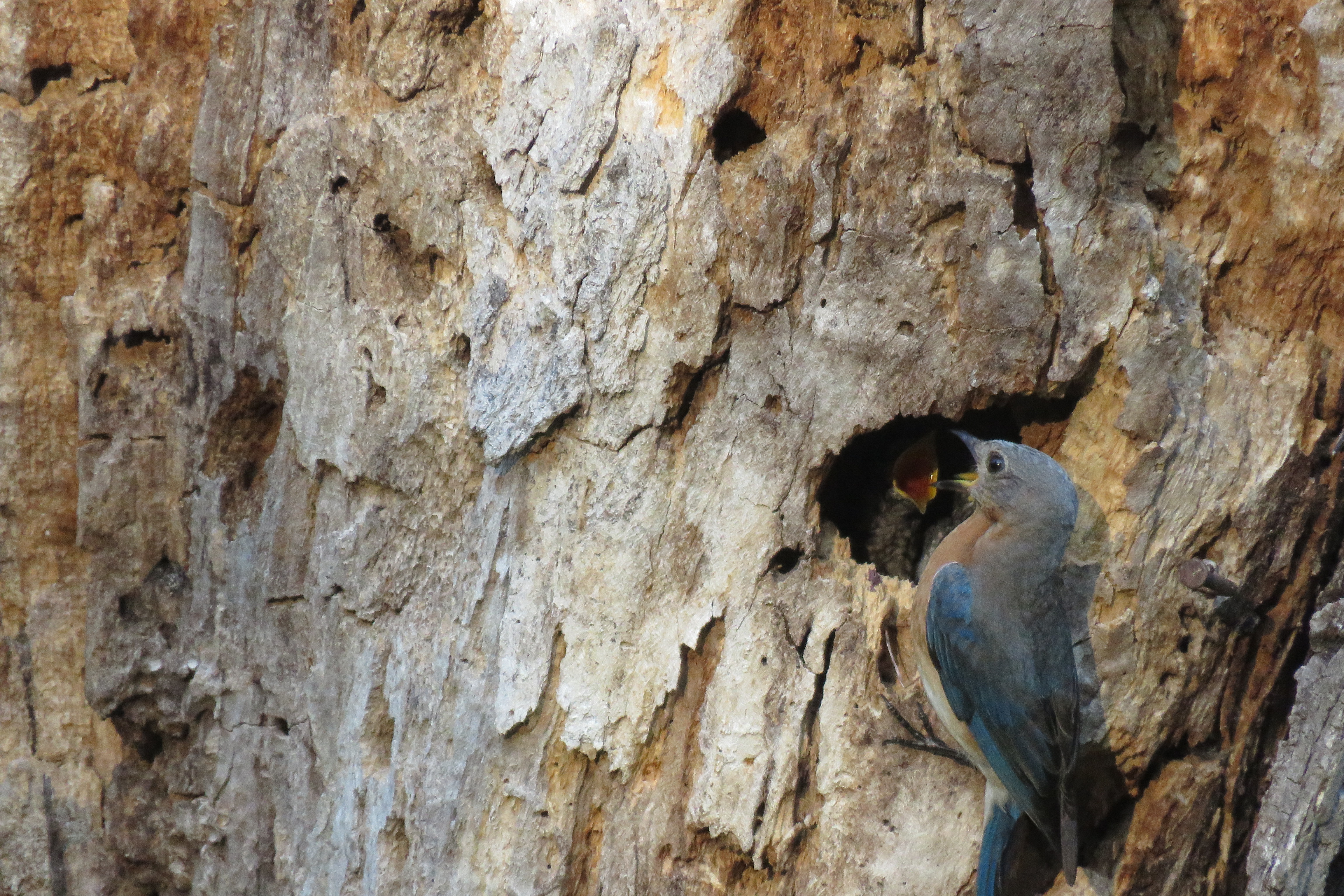
Don’t be deceived, Dad does plenty of feeding too.
Soon it’s time to leave the nest, and the fledglings aren’t frightened about taking their first tumble.
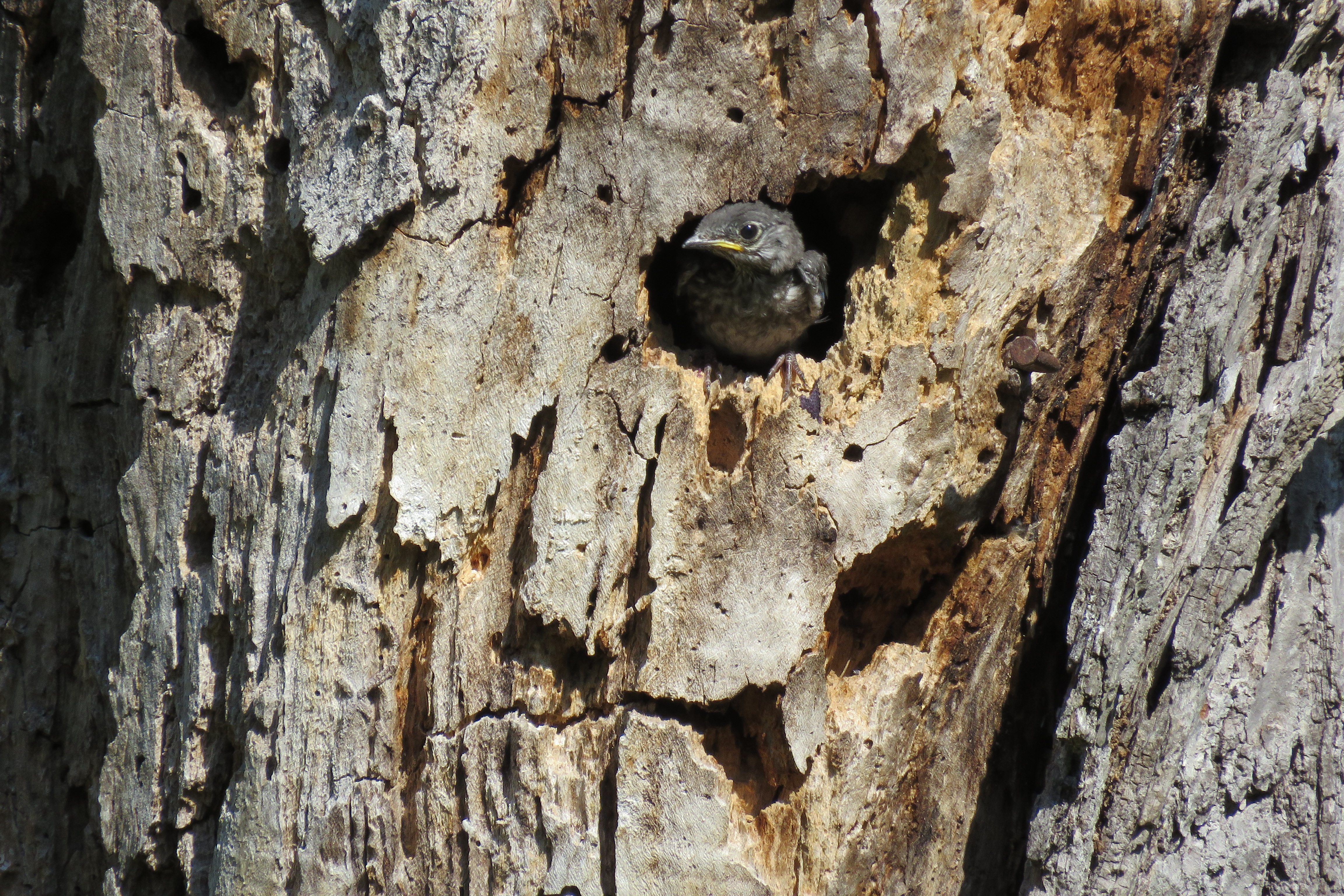
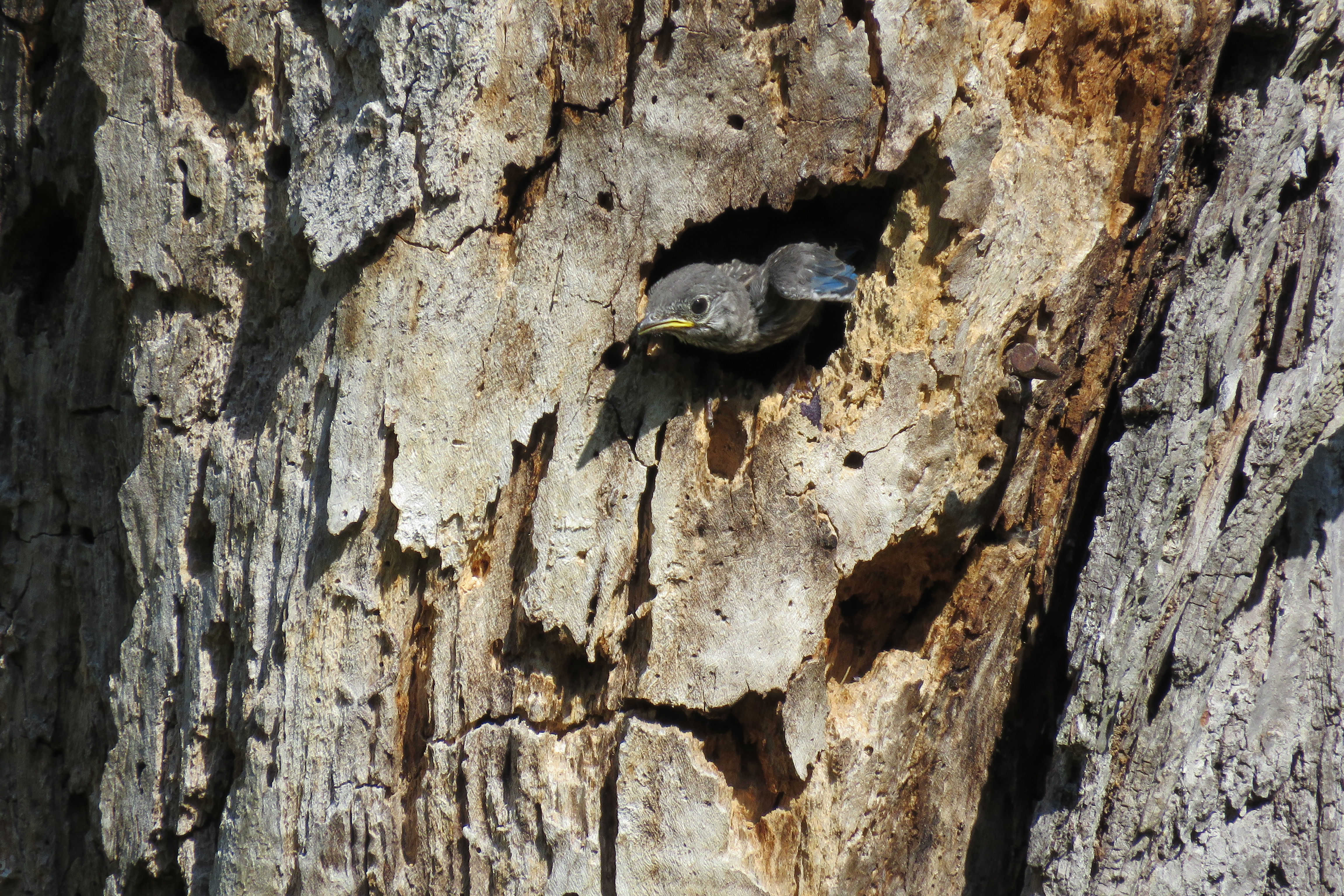

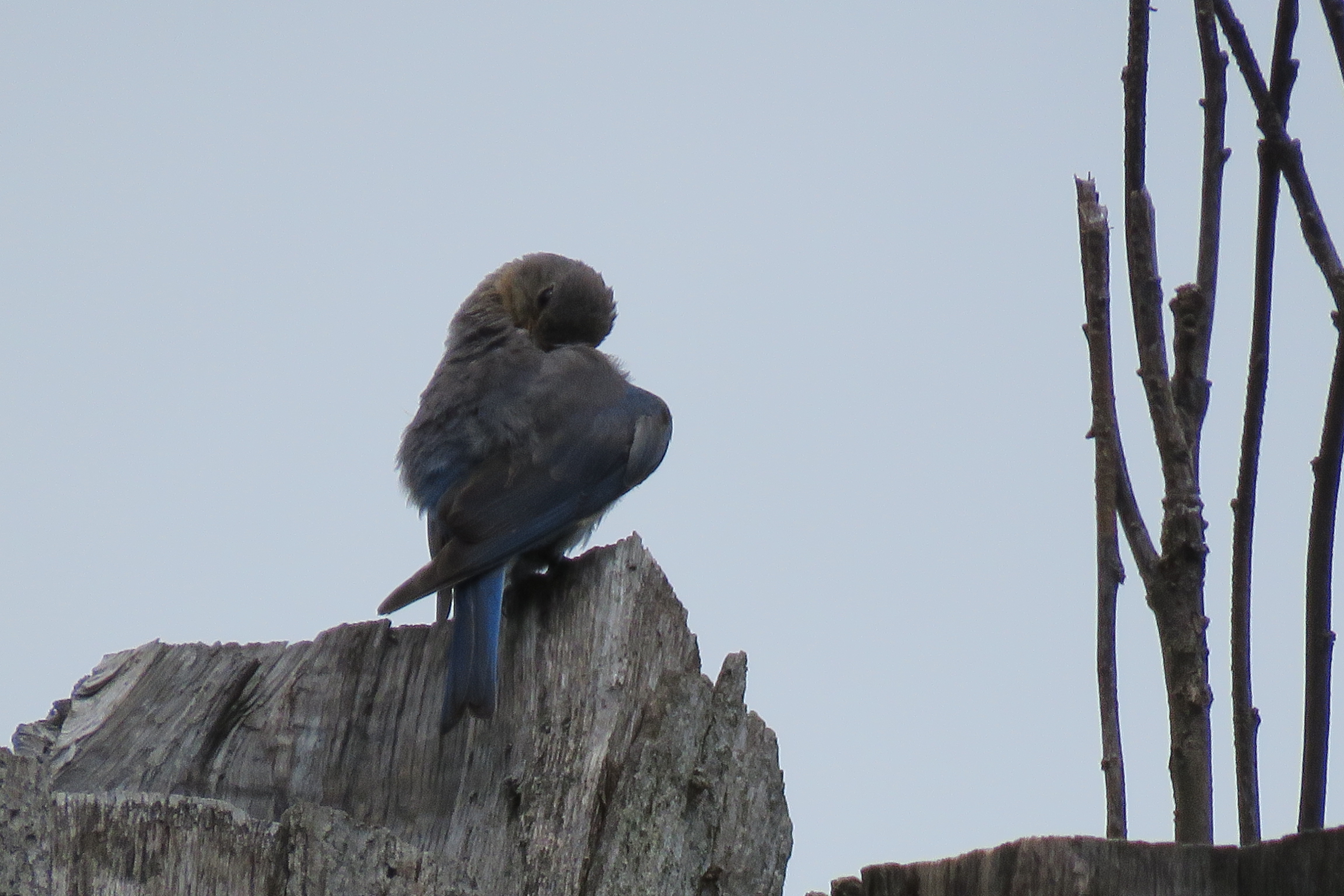
The story doesn’t end there. As I mentioned, Mom and dad continue to protect and feed the fledglings on the ground. Eventually, the sky is a little bluer because the fledglings, if they survive, learn to fly.
It’s interesting to note that over 50% of all songbird fledglings die within their first weeks after leaving the nest. Wow!
Imagine how many birds there would be if nature wasn’t so darn bitchy.
And that’s it. That’s the story of my Eastern bluebird family.
Blessed be :}
Mi manchi profondamente, mio amato immortale.

 concordriverlady.com